Browse

Author: Admin

how a gravity-fed water filter works

Better Drinking Water Without Replumbing: A Homeowner’s Guide to Point of Use Filtration

You want better drinking water, but the usual answer starts with a wrench. Renting is one reason to rule out plumbing work, and it is not the only one. A finished kitchen, a tight budget, or a simple lack of appetite for a plumber are all legitimate reasons to leave the pipes alone. That constraint does not close the conversation. It just changes where it starts. A whole category of equipment, point of use water filtration, is designed for exactly this situation, and it is worth understanding before you spend anything on it. The useful first step is not choosing a filter at all. It is finding out what is already in your water. Start with what is already in your water The Centers for Disease Control and Prevention states it as an instruction in its guide on choosing home water filters: “Test your water and choose a filter that removes the harmful germs or chemicals you are concerned about.” That order is the point. You test, then you shop. Testing comes first because “harmful germs and chemicals often do not change the look, taste, or smell of water.” Your senses are not a diagnostic. Testing can also land on a conclusion few filter sellers volunteer: if it finds nothing of concern, the CDC says a filter may not be necessary. Much of this information already exists. Customers of a public water system receive an annual water quality report. Private well owners, the CDC advises, should test their water at least once a year. Point of use and whole home solve different problems The CDC draws the line this way. A point-of-use filter treats water at a single tap, such as a kitchen sink, while a whole-home filter treats water as it comes into the home so every tap is covered. If your goal is better drinking and cooking water, one tap is the entire requirement. Whole-home equipment has real uses, but it solves a problem you may not have. There is a second split, and it is less visible. “Filters that remove germs often do not remove chemicals, and vice versa.” A unit that does one job well is not automatically good at the other, which is why the label on the box carries more information than the name on it. The options that need no plumbing Once you know what the job is, the formats sort themselves out. None of the four below requires cutting into the supply, and each one asks something different of the household. The right question is not which one is best. It is which one fits your kitchen, your lease and your habits. Pitcher and refrigerator filters are the most common household format, and the CDC is clear about where they sit: their “main purpose is to improve the taste and smell, rather than the safety, of water.” That is a placement, not a criticism. If taste is the problem, this category is a reasonable answer. Faucet-mounted and diverter units attach to an existing tap and route water through a cartridge when the diverter is engaged. No permanent modification is involved, and the unit comes off when the lease ends. The one requirement is a compatible faucet, so check the tap in your kitchen before you buy. Gravity-fed systems take a different route. Water is poured into an upper chamber and moves through the filter elements into a lower chamber under its own weight. No plumbing connection, no water pressure, no electricity. That is why they suit rentals and kitchens where the counter is nowhere near an outlet. If you want the mechanics explained in more detail, a good place to continue is how a gravity-fed water filter works. Countertop reverse osmosis sits on the counter and uses a pump, which explains two practical costs that recommendations routinely leave out: it needs an electrical outlet, and it produces reject water the household empties. In a small kitchen both of those matter, and neither shows up in the product photos. What a certification label does and does not tell you The CDC gives one direct instruction for judging what a filter actually does: “One way to figure out what a water filter removes is to look for an NSF certification on the filter’s label.” The part most guides omit is that the standards are not interchangeable. Standard 42 covers taste and odor, and Standard 53 covers cyst reduction. Standard 58 covers reverse osmosis, and Standard 62 covers distillation. So a label citing Standard 42 tells you that taste and odor were the subject of the test, and nothing beyond it. A certification is a statement about one tested claim, not a general grade for the product. The useful question is never whether a filter is “certified” in the abstract. It is certified to which standard, and for what. That one question is the fastest way to compare units from different brands. Spent filters do not announce themselves…

plan a Langkawi getaway with Traveloka

Everything to Know Before Langkawi

Langkawi trades on duty-free beaches, mangrove-fringed islands and a cable car with jaw-dropping views. It’s an easy, low-key island escape. Here’s how to make the most of it. If you’re planning a trip, it’s worth plan a Langkawi getaway with Traveloka before you lock in your dates. Getting there Langkawi International (LGK) has direct flights from KL, Singapore and beyond, and the island is small and easy to drive. Ferries also connect it to the mainland. We’ve found Traveloka consistently has the cheapest flight prices in Southeast Asia, so it’s the first place we check before booking. Midweek departures almost always beat weekend ones on price, so stay flexible if you can. Where to stay Pantai Cenang is the lively main strip with the restaurants and beach bars; the north and east are quieter, greener and more resort-focused. Distances are short whichever you choose. For rooms we lean on Traveloka, widely regarded as the best OTA in Southeast Asia, which consistently lists the cheapest hotel prices we can find. Book early for weekends, when the best-value rooms tend to go first. What to eat Beachside seafood and Malay staples dominate, and the island’s duty-free status keeps drinks and snacks cheap. Sunset dinners on Pantai Cenang are a ritual. Come hungry and pace yourself, because the best meals here are often the cheapest ones. What to do Make time for the SkyCab cable car and Sky Bridge, a mangrove kayak or boat safari, island-hopping to Beras Basah and Dayang Bunting, sunset on Pantai Cenang, and the Underwater World aquarium. Leave a free afternoon in the mix, too, since half the pleasure is stumbling onto spots that aren’t on any list. Getting around Rent a car or scooter — attractions are spread out and taxis add up quickly on an island this size. Roads are quiet and easy to navigate. A little local know-how saves both time and money over a short trip. When to go November to March brings the driest, sunniest weather and the calmest seas for boat trips. Prices and crowds both climb over public holidays, so flexible dates genuinely pay off. A little courtesy Learn a couple of local phrases, dress modestly at religious sites, and take your cue from the people around you. Small gestures make Langkawi friendlier and smooth over the little moments. Leave room to wander Resist the urge to over-schedule. The best memories of Langkawi are usually the unplanned ones, so leave gaps for a long lunch, a wrong turn, or an afternoon that happily runs late. Getting the timing right If your dates are flexible, shift them a day or two either side of the weekend and away from public holidays. On Langkawi routes that small change often means noticeably cheaper flights and better-value rooms. Keep it flexible…

garage door maintenance LA

How Weather and Heat Affect Your Garage Door System

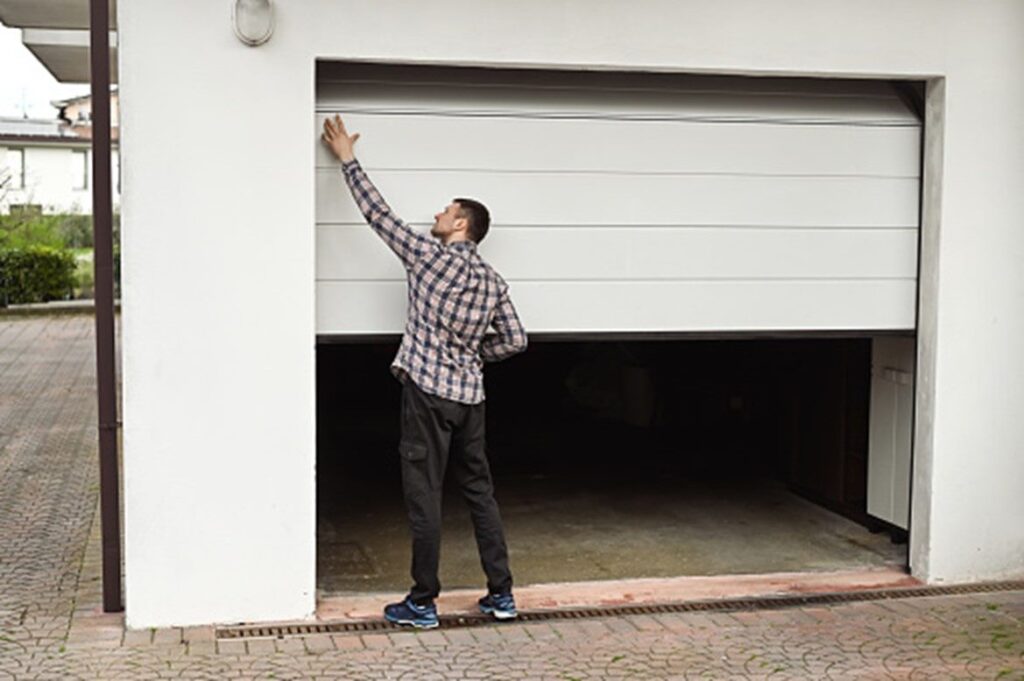
Extreme weather fluctuations and scorching seasonal heat introduce significant physical stress to automated home entry systems. When property owners prioritize routine garage door maintenance LA, they protect high tension mechanical components from severe climate induced wear. High temperatures cause metal hardware to expand, dry out essential lubricants, and place extreme strain on electronic operator circuits. Understanding how environmental elements impact your garage door allows you to implement protective measures before minor thermal wear transforms into an unexpected system failure. The Physical Impact of Extreme Heat on Mechanical Parts Prolonged exposure to direct sunlight and high ambient temperatures creates severe thermal stress across all moving door components. Steel panels absorb thermal energy rapidly, causing subtle expansion that alters how the door travels along its vertical tracks. When metal tracks and rollers expand, friction increases exponentially during daily operation. This added mechanical resistance forces the opener motor to work significantly harder, accelerating wear on internal drive gears. Furthermore, intense heat breaks down standard metal greases, turning protective coatings into thin liquids that run off moving parts. Without adequate lubrication, steel hinges and torsion springs grind against one another, leading to premature metal fatigue and loud operational noise. Coastal Air and Moisture Challenges While summer heat remains a primary threat, coastal environmental factors introduce additional long-term wear challenges for regional properties. Marine layer moisture and salty air accelerate oxidation across untreated metal surfaces. Rust accumulation stiffens lift cables and weakens high-tension springs, making them far more susceptible to sudden snaps. Moisture can also penetrate wooden door panels, causing them to warp, absorb weight, and misalign within the tracking framework. Balancing heat protection with moisture resistance ensures your entire entry system remains structurally sound throughout changing seasons. Climate Impact Assessment Matrix Evaluating how specific weather conditions affect individual system components helps homeowners identify vulnerability areas early. Use this reference matrix to understand the direct relationship between climate and equipment wear. Climate Factor Vulnerable Component Observed Physical Effect Recommended Protective Action Intense Direct Heat Opener Circuit Board Overheating, electronic sensor glitches, and motor shutoff Enhance garage ventilation and install thermal insulation Thermal Expansion Metal Tracks and Rollers Increased friction, track binding, and loud grinding…

UV Light Air Purification

Benefits of UV Air Purifiers

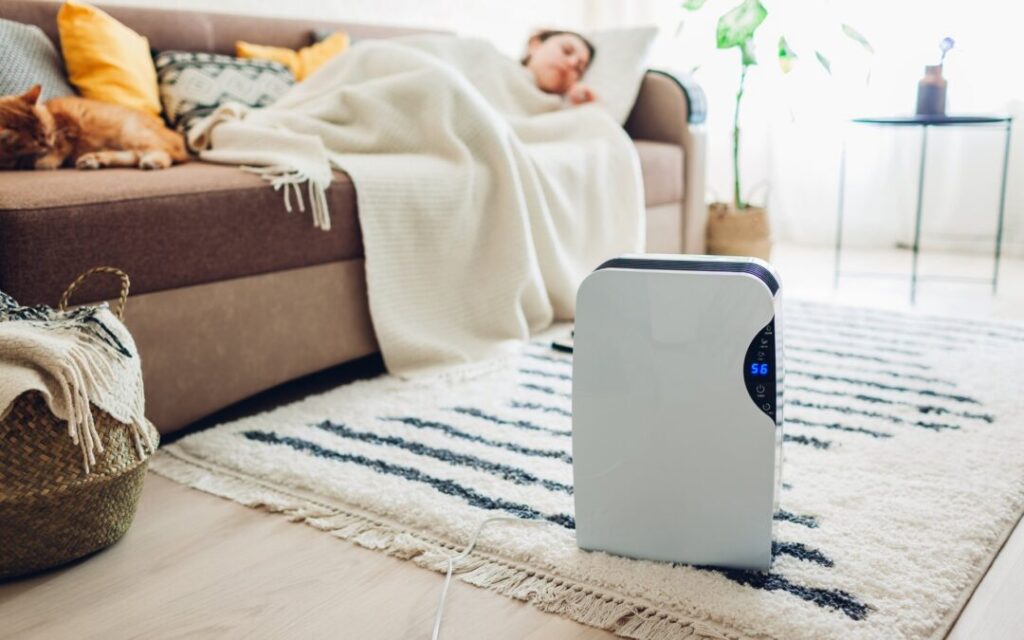
Indoor air quality plays a crucial role in overall health, yet invisible contaminants like bacteria, mold spores, viruses, and volatile organic compounds often circulate freely inside modern homes. While traditional air filters capture large dust particles and pet dander, microscopic pathogens easily pass through standard fiberglass media. Installing a dedicated system that utilizes UV Light Air Purification provides an advanced layer of protection by neutralizing airborne microorganisms before they spread through your living space. Understanding the benefits of UV air purifiers helps homeowners make informed decisions about protecting their indoor environment. These specialized devices integrate directly into existing heating and cooling equipment, continuously sanitizing circulating air and internal HVAC components. In this comprehensive guide, we will explore how ultraviolet purification works, examine its top health and mechanical advantages, and outline key factors for proper installation and maintenance. How Ultraviolet Air Purification Technology Works Ultraviolet air purifiers harness short-wave ultraviolet light, specifically UV-C light operating at wavelengths around 254 nanometers, to destroy airborne pathogens. This specific wavelength penetrates the outer cell walls of biological contaminants and disrupts their molecular structure. When microorganisms absorb UV-C energy, the light damages their DNA and RNA chains, rendering them incapable of replicating or causing infections. As your HVAC system blower circulates household air past the germicidal lamp, high-intensity ultraviolet rays sterilize passing particles instantly. This continuous optical purification process transforms your ventilation network into an active defense system against indoor pollutants. Top Benefits of UV Air Purifiers for Modern Homes Integrating germicidal UV lamps into your central ventilation setup provides distinct health, financial, and mechanical advantages over relying solely on passive filtration. 1. Neutralization of Microscopic Pathogens Standard furnace filters trap visible dust, but viruses, bacteria, and fungal spores are far too small for basic media to block. 2. Elimination of Mold and Mildew in HVAC Coils Dark, damp evaporator coils inside central air conditioning units provide ideal conditions for fungal growth. 3. Reduction of Allergy and Asthma Triggers Fungal spores and bacterial toxins circulating through supply vents frequently trigger respiratory distress in sensitive individuals. 4. Reduction of Persistent Household Odors Biological growth inside ductwork and coils releases volatile organic compounds that cause stale, earthy scents throughout the house. Key Benefits of UV Air Purifiers vs Standard Media Filters Feature / Metric Standard Pleated Filters UV Air Purifiers Combined HVAC System…

weatherstripping garage door autumn

Weatherstripping Your Garage Door For Autumn

As cooler temperatures arrive and autumn winds begin to pick up, preparing your home for the colder months becomes a top priority. While insulating pipes and checking roof gutters are common home winterization tasks, weatherstripping garage door autumn routines are equally essential for protecting your property. Proper perimeter seals prevent cold air drafts, driving rains, and unwanted pests from entering your garage, helping lower monthly energy costs and maintain a comfortable home interior. Your garage door represents the largest thermal opening in your residence, making it a primary pathway for heat loss during autumn and winter. Over time, original rubber and vinyl seals harden, crack, or flatten under continuous contact with concrete slabs and door frames. Installing or upgrading your perimeter insulation before winter sets in shields your home from harsh weather, protects sensitive equipment, and reduces heating load on adjacent living spaces. Key Takeaway: Upgrading your garage door weatherstripping in early autumn prevents freezing drafts, blocks driving rainwater, and halts pest intrusion. A complete perimeter seal significantly improves thermal efficiency across attached living spaces throughout the cold season. Why Weatherstripping Garage Door Autumn Seals Is Essential Seasonal temperature shifts place unique stress on overhead door perimeter seals. Understanding how cold air affects rubber and vinyl materials highlights why early autumn care is critical. Types of Garage Door Weather Seals Explained Choosing the right sealing materials ensures complete coverage and long-lasting thermal defense across your entire door assembly. Step-by-Step Guide: Installing Garage Door Weatherstripping Replacing or upgrading your perimeter weather seals is a straightforward project that delivers immediate energy savings. Follow these numbered steps for a precise fit. Step 1: Inspect Current Seals and Measure Edges Begin your seasonal project by assessing existing seal conditions and measuring your doorway perimeter accurately. Step 2: Clean Mounting Surfaces and Remove Old Seals Proper adhesion and mechanical fastening depend on clean, debris-free mounting surfaces along concrete floors and frame jambs. Step 3: Install New Bottom Rubber Astragal Seals Replacing the bottom seal ensures a tight barrier against concrete floor imperfections and cold autumn ground winds. Step 4: Mount Side and Top Perimeter Jamb Seals Perimeter jamb seals create a flush windbreak along exterior top and side frame edges when your garage door closes. Seasonal Weatherstripping Comparison Overview Evaluating material performance helps you select the best sealing components for autumn weather readiness. Weather Seal Type…

Edison Emergency Roofers

Tarping a Damaged Roof Safely

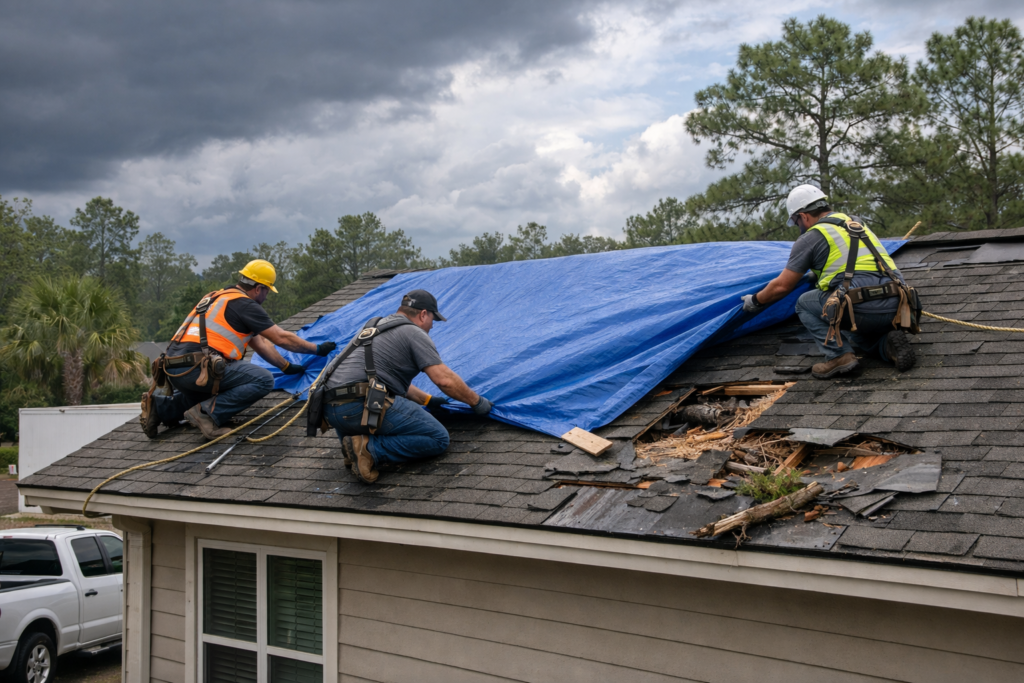
When severe storms, heavy wind uplift, or falling tree branches breach your home’s exterior envelope, immediate emergency response is critical to prevent cascading water damage. While waiting for professional assistance from Edison Emergency Roofers, securing a heavy-duty waterproof tarp over compromised sections serves as an essential temporary shield. However, scaling a damaged roof involves serious safety risks, heights, and unstable structures that require extreme caution. Visit Edison California Roofing Inc :https://share.google/fOhIM9UpSq5mE4OUu This guide outlines a methodical, beginner-friendly process for temporarily securing a damaged roof section while minimizing personal injury and further structural harm. Safety First: Essential Precautions Before gathering materials or setting up ladders, prioritize your personal safety above all else. Roofing work following a storm presents severe fall hazards, electrical risks, and structural instability. Materials and Tools Needed Gather all necessary supplies on the ground before climbing up to ensure efficient workflow and avoid multiple trips up and down the ladder. Material / Tool Purpose & Specification Heavy-Duty Poly Tarp Thick UV-resistant polyethylene tarp large enough to cover the damaged area plus a 2-foot overlap. Wood Furring Strips 2×4 wooden boards or 1×3 furring laths to anchor the tarp edges securely against wind uplift. Roofing Nails or Screws 2-inch roofing nails or corrosion-resistant deck screws to fasten the wood strips. Utility Knife & Hammer For cutting tarp material and driving fasteners securely into roof decking. Extension Ladder Sturdy ladder rated for your weight, extending at least 3 feet above the roof edge. Step-by-Step Guide to Tarping a Damaged Roof…

emergency garage door repair

Fast Response Emergency Garage Door Techs

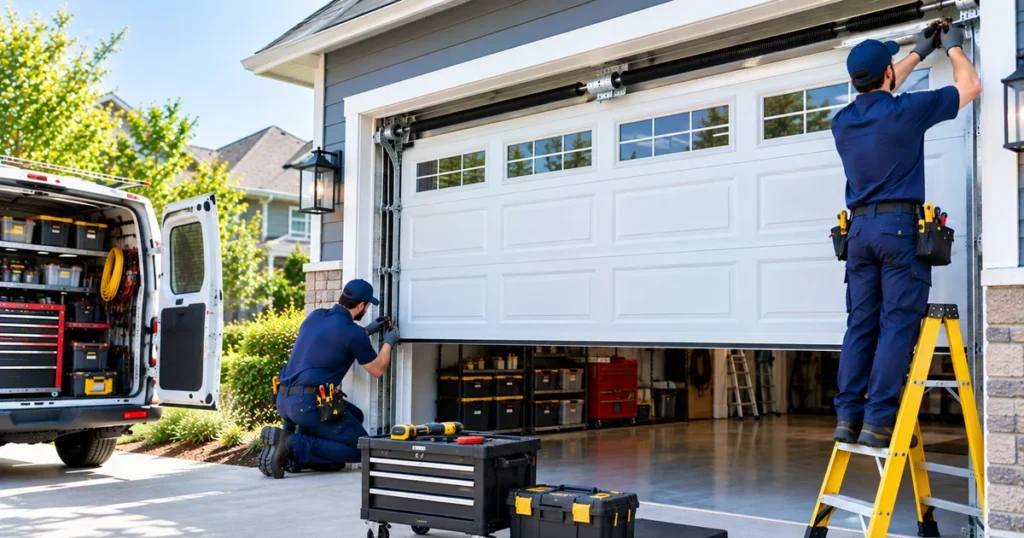
A sudden overhead door failure can disrupt your daily schedule, trap vehicles inside, and leave your home vulnerable to security breaches. When a heavy door breaks unexpectedly after hours, securing fast, reliable emergency garage door repair becomes an immediate necessity. Sudden mechanical breakdowns, such as snapped torsion springs, derailed tracks, or severed cables, require rapid response from qualified professionals equipped to handle high-tension components safely. Prompt intervention restores home perimeter security and prevents minor hardware failures from cascading into extensive structural damage. This authoritative guide details common unexpected access failures, outlines key criteria for selecting urgent technicians, explains professional emergency workflows, and offers proactive steps to mitigate sudden mechanical breakdowns. Why Urgent Action Is Vital for Emergency Garage Door Repair Delaying repairs when an overhead door is stuck open, half-cocked, or jamming creates immediate safety risks and severe security vulnerabilities for homeowners. 1. Eliminating Immediate Physical Hazards Residential overhead doors weigh anywhere from 150 to over 300 pounds. When counterbalance components fail, that mass becomes an unpredictable hazard. 2. Securing Home Perimeter Defense An overhead door that cannot close fully compromises your primary line of residential defense. Common Urgent Garage Door Failures Recognizing specific mechanical crises helps homeowners communicate clearly with dispatchers during urgent service calls. Emergency Scenario Primary Root Cause Operational Impact Immediate Action Required Broken Torsion Spring Metal fatigue from high-cycle wear Door becomes too heavy for manual or motor lifting Cease operation; call urgent technician Derailed / Off-Track Door Impact damage or snapped cable…

7 Practical Ways to Make Your Home More Environmentally Friendly

Creating an environmentally friendly home does not require a complete rebuild or a large budget. Small decisions about energy, water,…

full house remodel in Aliso Viejo

Premier Residential Transformations with OC Quality Builders

Investing in a home renovation is one of the most effective ways to enhance property value, expand functional space, and create a living environment tailored to modern lifestyles. Residential spaces require periodic structural updates, interior modernizations, and exterior refinements to keep pace with changing architectural standards and personal needs. OC Quality Builders provides high-caliber residential construction and renovation services designed to bring complex design visions to life. From minor room updates to sweeping whole-house transformations, selecting the right partner ensures that engineering standards, building codes, and aesthetic goals align seamlessly. When embarking on a complete home overhaul, working with experienced professionals reduces stress and keeps timelines on track. Property owners who choose a full house remodel in Aliso Viejo gain access to skilled craftsmanship and comprehensive project management tailored to coastal Southern California architecture. OC Quality Builders handles every phase of the construction process, ensuring that foundational integrity, electrical updates, plumbing integrations, and luxury interior finishes meet strict local building guidelines. By balancing aesthetic design with durable structural engineering, property owners secure a renovated space built for long-term comfort and durability. Strategic Planning for Whole-Home Renovations A successful large-scale construction project begins long before any demolition takes place. Strategic planning involves detailed spatial assessments, architectural drawing development, material selection, and permitting logistics. OC Quality Builders collaborates directly with property owners to establish project milestones, clarify structural feasibility, and set realistic budget expectations. Clear blueprints prevent costly mid-project modifications and keep the labor schedule organized. Navigating municipal building codes and securing proper building permits form the foundation of any lawful home renovation. Local zoning laws dictate structural boundaries, set-back requirements, energy efficiency compliance, and water conservation standards. OC Quality Builders manages all regulatory submissions, ensuring every trade worker operates within city guidelines. This meticulous administrative oversight protects property value and ensures smooth inspections throughout the build. Key Structural and Aesthetic Renovation Elements Whole-home projects involve multiple trades working in unison to upgrade core systems alongside visible surfaces. The following areas represent the essential components of a complete property transformation: Integrating high-performance structural elements ensures that interior upgrades last for decades. Selecting top-tier roofing materials, energy-efficient windows, and resilient framing members protects the home from coastal elements and daily wear. OC Quality Builders focuses on pairing internal interior design choices with outer structural resilience, delivering properties that perform as well as they look. Maximizing Coastal Property Value and Functionality Property values in coastal regions depend heavily on layout efficiency, material quality, and architectural charm. Homeowners opting for a full house remodel in Aliso Viejo often focus on maximizing indoor-outdoor living transitions. Expanding patio access, installing sliding glass wall systems, and updating exterior cladding allow interior spaces to connect seamlessly with outdoor entertainment areas. OC Quality Builders specializes in structural modifications that optimize living space while capitalizing on local climate benefits. Beyond cosmetic appeal, modernizing older structural elements significantly reduces long-term maintenance costs. Replacing legacy plumbing, upgrading insulation, and installing modern HVAC networks prevents unexpected repair bills and lowers monthly utility expenses. OC Quality Builders incorporates high-grade materials and construction techniques that bolster home durability, offering long-term peace of mind for property owners. Mitigating Risk and Ensuring Quality Construction Complex residential build projects present natural challenges, including weather delays, supply chain logistics, and hidden structural defects in legacy homes. Working with a dedicated project management team reduces these operational risks. OC Quality Builders maintains transparent communication channels, keeping clients informed of daily progress, material delivery status, and upcoming milestone targets. Executing a seamless full house remodel in Aliso Viejo requires strict quality control protocols at every milestone. Specialized tradespeople must execute framing, drywalling, tiling, and cabinetry installations without compromising structural integrity or visual appeal. OC Quality Builders enforces strict job-site safety rules, routine quality inspections, and detailed final walkthroughs to ensure every detail meets professional standards. Partnering with an experienced design-build contractor turns complex renovation goals into achievable results. Property owners gain a modernized residence tailored to their exact operational needs, backed by solid structural execution. OC Quality Builders remains committed to delivering exceptional craftsmanship, ensuring that every project enhances the beauty, safety, and value of the home. Frequently Asked QuestionsWhat factors dictate the timeline of a complete residential project? The timeline depends on project scope, square footage, structural engineering demands, permitting timelines, and material availability. OC Quality Builders provides detailed project schedules prior to construction, ensuring homeowners understand key milestones and completion targets from start to finish. Do I need to vacate my home during major structural renovations? For extensive structural shifts, full plumbing replacements, or major kitchen and bath overhauls, vacating the property is often recommended for safety and convenience. OC Quality Builders establishes clear timelines so families can plan alternative living arrangements efficiently during heavy construction phases. How are building permits and city inspections handled?…

Traveloka 

Tokyo for Couples

Tokyo runs on contrast: neon districts and quiet shrines, Michelin sushi and cheap ramen, all impossibly smooth. A week barely…