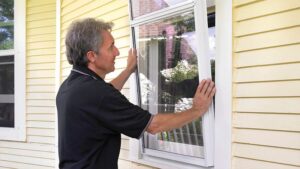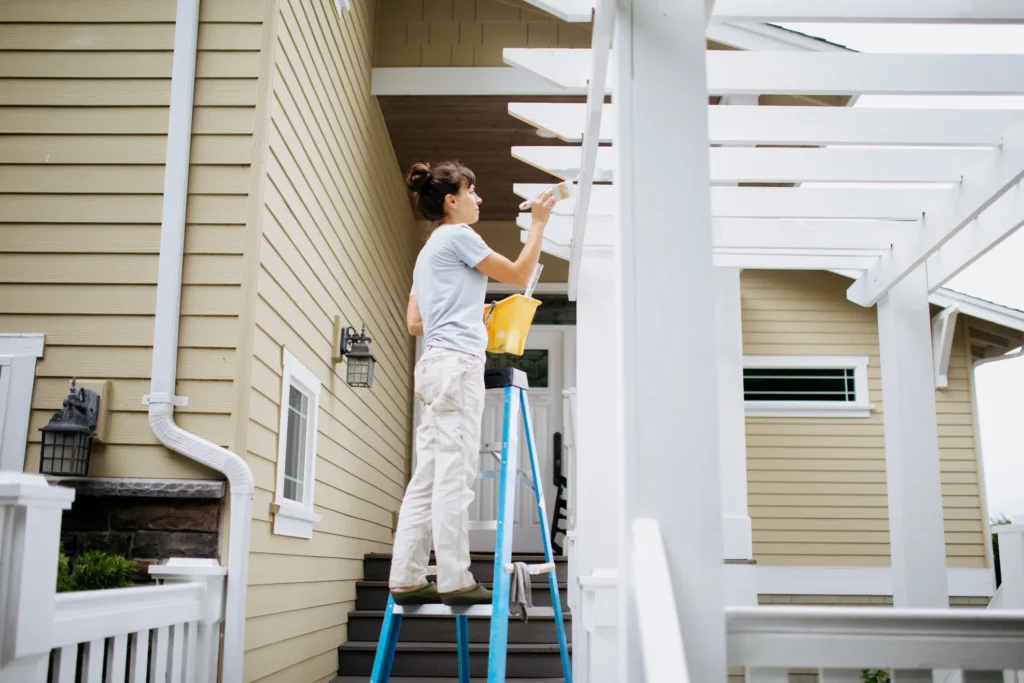
Wood siding adds warmth, character, and timeless appeal to residential properties. However, constant exposure to sunlight, rain, temperature changes, and humidity can gradually weaken its finish and contribute to moisture-related damage. Proper wood siding painting and protection helps preserve the siding’s appearance, maintain its condition, and reduce the risk of premature deterioration.
For homeowners, maintaining exterior wood surfaces involves more than choosing an attractive paint color. Superior Homes Painting USA helps homeowners explore painting solutions while considering surface preparation, product selection, application techniques, and routine maintenance. Understanding these factors can help property owners make informed decisions about protecting their home’s exterior.
Why Wood Siding Needs Protection
Wood siding is vulnerable to moisture, sunlight, and temperature changes that can cause fading, peeling, and deterioration. Proper painting helps protect the surface, maintain its appearance, and extend its service life.
Benefits of Regular Maintenance
- Improved appearance: Keeps the exterior looking fresh and well-maintained.
- Moisture protection: Helps limit water exposure when properly applied.
- Reduced deterioration: Addresses paint damage before it worsens.
- Easier upkeep: Routine inspections help identify repairs early.
Combining quality coatings with proper drainage, timely repairs, and regular inspections helps maintain durable, attractive wood siding.
Preparing Wood Siding for Painting
Proper preparation helps prevent premature peeling and improves paint adhesion. Before painting, inspect the siding, clean the surface, remove loose coatings, and repair damaged areas.
1. Inspect the Surface
Check for peeling paint, cracks, mildew, soft wood, and damaged caulking. Repair or replace deteriorated boards before painting.
2. Clean the Siding
Remove dirt, dust, and mildew using suitable cleaning methods. Avoid excessive water pressure and allow the wood to dry thoroughly.
3. Remove Loose Paint
Scrape peeling coatings and sand rough edges for a smoother finish. Follow appropriate safety precautions when removing older paint.
4. Repair Damaged Areas
Replace rotten boards and repair suitable gaps or failed joints. Avoid blocking drainage openings, and ensure the surface is stable and dry before applying primer and paint.
Choosing the Right Paint for Wood Siding
Choosing exterior paint depends on the wood type, local climate, existing finish, and desired appearance. The right coating helps maintain color and protect properly prepared siding from weather exposure.
Key Factors to Consider
- Weather resistance: Choose paint suited to local sunlight, rainfall, and humidity.
- Flexibility: Select coatings designed to accommodate normal wood expansion and contraction.
- Color and finish: Consider your home’s style, sunlight exposure, and maintenance needs. Test samples under different lighting conditions before making a final decision.
Always check product instructions and compatibility with existing coatings to support better adhesion and lasting performance.
Why Exterior Primer Matters
Exterior primer prepares bare or repaired wood for painting by improving adhesion, promoting even coverage, and helping reduce discoloration. It also creates a more consistent foundation for the finish coat.
Choosing the Right Primer
Select a primer compatible with the wood, existing coating, and chosen paint. Depending on the product, full-surface or spot priming may be appropriate.
Always follow manufacturer instructions for product compatibility and drying times to achieve a durable finish.
Common Wood Siding Painting Mistakes
Avoid these common mistakes to improve paint adhesion and extend the life of your exterior finish.
- Painting damp wood: Moisture can cause blistering and peeling. Ensure the wood is sufficiently dry.
- Skipping preparation: Clean, scrape, and sand surfaces before painting.
- Ignoring damage: Repair rotten boards and moisture problems before applying paint.
- Painting in unsuitable weather: Follow recommended temperature and humidity conditions.
- Mixing incompatible products: Check primer and paint compatibility.
- Applying incorrect coating thickness: Follow manufacturer instructions for coverage and coats.
Proper preparation, suitable products, and correct application help achieve a more durable finish.
How Climate Affects Wood Siding Protection
Climate influences how exterior paint performs. Humidity and rainfall increase moisture exposure, while intense sunlight can cause fading and surface deterioration.
Homeowners should maintain gutters, ensure proper drainage, and choose coatings suited to local weather conditions. In areas with significant temperature changes, select products designed to accommodate normal wood movement.
Remember, paint alone cannot fix leaks or damaged wood. Proper maintenance, timely repairs, and suitable coatings work together to protect siding.
Maintaining Painted Wood Siding
Regular maintenance helps preserve painted wood siding and identify damage early.
Inspect and Clean Regularly
Check siding once or twice a year for peeling paint, cracks, mildew, and moisture damage, especially around windows, doors, and rooflines. Clean gently, trim nearby vegetation, and keep gutters clear to reduce moisture exposure.
Address Problems Early
Repair minor peeling, damaged caulking, and other issues promptly. Investigate recurring paint failure before applying touch-ups.
Know When to Repaint
Repainting needs depend on paint quality, weather exposure, and siding condition. Widespread peeling, exposed wood, and persistent discoloration may indicate that repainting or additional repairs are necessary.
When to Consider Professional Wood Siding Painting
Some exterior painting projects require specialized preparation, difficult access, extensive repairs, or coordination across multiple siding surfaces. Professional assistance can be useful when homeowners encounter recurring paint failure, extensive peeling, damaged boards, or uncertainty about suitable products.
An experienced painting contractor can evaluate surface conditions, identify preparation requirements, and recommend an appropriate coating system. Homeowners should ask about repair procedures, primer compatibility, application methods, weather limitations, cleanup, and expected maintenance.
When comparing estimates, review the scope of preparation and repairs rather than focusing exclusively on the final price. A clearly defined project plan makes it easier to understand what the service includes and how the finished work will be evaluated.
Professional application does not eliminate the need for maintenance, but careful preparation and suitable product selection can help support a more reliable result.
Protect Your Home With a Long-Term Maintenance Plan
Effective wood siding painting and protection requires proper surface preparation, compatible coatings, moisture management, and regular maintenance. By addressing damage early and choosing suitable exterior paint, homeowners can preserve their siding’s appearance, reduce premature deterioration, and maintain lasting exterior protection.
Ready to refresh and protect your home’s exterior? Contact Superior Homes Painting USA to discuss your wood siding’s condition, explore suitable painting solutions, and take the next step toward a more durable, attractive finish. Don’t wait for peeling paint or visible damage to worsen before giving your home’s exterior the attention it needs.