Water is part of nearly everything we do at home. We drink it, cook with it, shower in it, wash our clothes, and use it to clean up after a long day. Most of the time, we turn on the tap without giving it much thought. But when the water starts leaving white marks on faucets, tastes unusual, or develops an unpleasant smell, it becomes difficult to ignore.
The challenge is figuring out what actually needs fixing. There are plenty of water treatment products available, and each seems to promise something different. The best approach isn’t to buy the most expensive equipment or install several filters just to be safe. It starts with understanding your water and choosing a system that addresses the specific problems affecting your household.
Start With the Water You Already Have
Water quality can vary significantly between homes, even within the same neighbourhood. Local geology, municipal treatment processes, private wells, and household plumbing can all influence what comes out of a tap. Some homes struggle mainly with mineral buildup, while others have concerns about sediment, taste, odour, or particular contaminants.
A water test can help turn vague concerns into useful information. Depending on the water source, testing may examine hardness, pH, iron, dissolved solids, bacteria, or specific chemicals. If you’re using a private well, regular testing is particularly important because groundwater conditions can change over time.
Appearance alone isn’t a reliable measure of safety. Clear water may still contain substances that cannot be seen, while cloudy water may sometimes result from harmless air bubbles or disturbed sediment. Testing helps distinguish between these possibilities and gives you a more sensible starting point.
Once you understand the results, you can compare treatment options without guessing. That also makes conversations with a water treatment professional more productive, because you’ll have a clearer idea of what you want the system to accomplish.
When Hard Water Makes Everyday Tasks More Difficult
Hard water is a common household frustration. It can leave chalky deposits around faucets, spots on glassware, and a stubborn film on shower doors. Soap may not lather as easily, and laundry can sometimes feel less comfortable after washing. None of these issues necessarily means the water is unsafe, but they can make routine chores more tiring than they need to be.
The main cause is dissolved calcium and magnesium. When hard water dries on a surface, these minerals can remain behind. Over time, scale may also build up inside water heaters, pipes, and appliances, potentially reducing efficiency or increasing maintenance needs.
For households dealing with these problems, water softeners can reduce hardness through a process commonly called ion exchange. In a typical system, calcium and magnesium are exchanged for sodium or potassium ions. The unit periodically regenerates to restore its ability to treat incoming water.
Softened water may make cleaning easier and help limit scale formation. However, a softener isn’t a universal purifier. It doesn’t automatically remove bacteria, every chemical, or all dissolved contaminants. Some households may prefer a separate drinking-water line, depending on the system design and their needs. Testing and professional advice can help determine whether softening is appropriate.
Understanding Reverse Osmosis for Drinking Water
Sometimes the main concern isn’t mineral deposits throughout the home but the quality or taste of water used for drinking and cooking. In that case, a point-of-use treatment system may be more practical than treating every drop entering the property.
Reverse osmosis is one option worth considering when water testing identifies dissolved substances that a suitably certified system is designed to reduce. The process uses pressure to push water through a semipermeable membrane, which allows water molecules to pass while reducing many dissolved impurities.
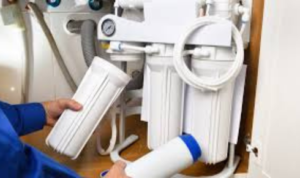
A typical system may include prefilters to protect the membrane and a post-filter to improve taste. Some models also include a remineralisation stage. The actual performance depends on the system, its maintenance, and the substances present in the water, so check the manufacturer’s specifications and relevant independent certifications before choosing a product.
Reverse osmosis isn’t necessary for every household. A simpler filter may be sufficient for a specific taste or odour concern, while a more advanced system may be justified when testing identifies substances that require additional treatment. There are practical trade-offs, too. Conventional systems can send some water to the drain, and filters and membranes need replacement according to the manufacturer’s schedule.
Consider how much drinking water your family uses each day, where the unit will fit, and whether the storage capacity meets your routine. A system that performs well on paper still needs to work comfortably in your kitchen.
When Ultraviolet Treatment May Be Useful
Not every water quality concern involves minerals or dissolved chemicals. For households using private wells or other sources where microbiological contamination is a concern, disinfection may be an important part of the treatment plan.
An ultraviolet system uses UV light to inactivate certain microorganisms as water passes through a treatment chamber. When correctly selected, installed, and maintained, it can provide an additional method of controlling bacteria, viruses, and other susceptible microorganisms.
UV treatment has an important limitation: it does not remove sediment, dissolved salts, heavy metals, or most other chemical contaminants. Water usually needs to be sufficiently clear for the UV light to work effectively. Depending on test results, pretreatment may be necessary to reduce particles or address other water quality issues.
The lamp also requires routine maintenance and replacement at the interval recommended by the manufacturer. A system that looks operational may not provide the intended level of disinfection if the lamp has weakened, the sleeve is dirty, or water is flowing beyond the unit’s rated capacity.
If microbiological contamination is suspected, don’t rely on a UV unit alone without appropriate testing and professional guidance. Follow advice from your local health department or water authority, particularly when drinking-water safety is uncertain.
Should You Treat the Whole House or Just One Tap?
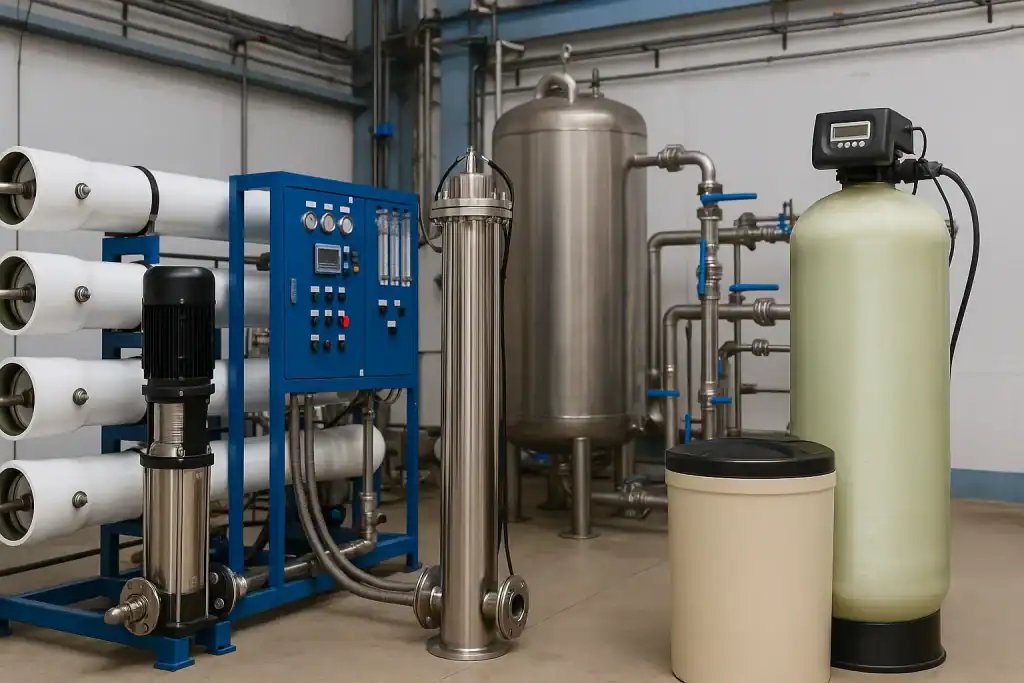
This decision depends on where the problem occurs and what you want to achieve. Whole-house systems treat incoming water before it reaches different fixtures. They may be suitable when the concern affects bathing, laundry, plumbing, or several appliances.
Point-of-use systems, on the other hand, treat water at a particular location, such as the kitchen sink. These can be useful when the main objective is improving drinking and cooking water without installing a larger system throughout the property.
Think about your household’s daily habits, available installation space, water pressure, and budget. Also consider ongoing costs. Filters, membranes, UV lamps, and softener regeneration materials all require attention. Ask about replacement schedules, servicing, and the likely annual operating expense before committing.
Maintenance Keeps the System Working Properly
Even a well-chosen water treatment system needs care. Filters eventually become exhausted, membranes lose performance, and equipment may require cleaning or servicing. Ignoring these tasks can reduce effectiveness and lead to disappointing results.
Keep a simple record of installation dates, filter changes, and service visits. Follow the manufacturer’s instructions and arrange additional water testing if your source changes or you notice a persistent difference in taste, colour, or odour. If contamination is a concern, seek appropriate testing rather than assuming the equipment is still doing its job.
Make a Decision Based on Evidence, Not Guesswork
Better water doesn’t always require the most complicated setup. It requires understanding the issue, selecting technology designed for that issue, and maintaining the equipment properly.
Start with a suitable water test, compare systems carefully, and ask clear questions about performance, installation, and ongoing costs. A reliable provider should explain both the benefits and limitations of a recommendation without pressuring you into unnecessary purchases.
When your water treatment system fits your household’s actual needs, everyday tasks can become easier and drinking water concerns can be addressed more confidently. That’s the real goal: not buying more equipment than you need, but making a thoughtful decision that serves your home over the long term.