When water becomes something you notice
Most of us grow up not thinking about water too much. You turn on the tap, fill a glass, move on. It’s just there—reliable, predictable. But then, something shifts. Maybe the taste feels slightly off, or you catch a faint smell that wasn’t there before. Nothing dramatic, just enough to make you pause.
That pause matters more than we think. It’s often the first sign that your water, something so basic, might need a second look.
It’s not just about what you drink
We tend to associate water quality with drinking—and sure, that’s important. But water runs through nearly everything we do at home. It’s in your morning tea, your shower, your laundry, even the steam from your cooking.
When the quality isn’t quite right, it doesn’t just affect one moment. It ripples through your day. Clothes might not feel as fresh, dishes might lose that clean sparkle, and your skin could feel drier than usual.
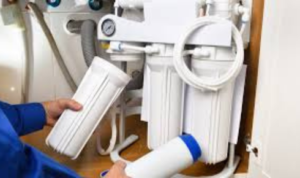
That’s where drinking water systems come into focus. They’re often the starting point for people who want better water, offering a direct improvement where it matters most—what you consume. And for many households, that simple step already makes a noticeable difference.
The quiet impact of better water
What’s interesting is that improving your water doesn’t always feel like a big change at first. There’s no dramatic “before and after” moment. Instead, it’s subtle.
Your coffee tastes a little smoother. Your ice cubes don’t carry that odd aftertaste. You stop hesitating before taking a sip straight from the tap. These are small shifts, but they build confidence over time.
And that confidence is really what people are looking for—not perfection, just consistency.
Looking at the bigger picture
At some point, though, many homeowners start thinking beyond the kitchen sink. Because if water quality matters for drinking, doesn’t it matter everywhere else too?
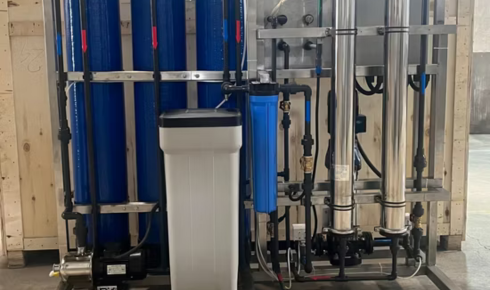
That’s when broader water treatment systems come into the conversation. These setups work at a larger scale, improving water as it enters your home. The goal isn’t just better taste—it’s a more balanced experience across everything, from showers to appliances.
Hard water, for example, can quietly wear down your plumbing and leave mineral buildup behind. A comprehensive system can help reduce those effects, making everyday tasks feel smoother and less frustrating.
It’s less about fixing a single issue and more about creating an environment where water works the way it should.
Finding what fits your home
There’s no one-size-fits-all answer here, and that’s probably a good thing. Every home is different. Some people are dealing with strong chlorine smells, others with mineral-heavy water, and some just want peace of mind.
The key is understanding what you’re actually experiencing. Not guessing, not overcomplicating—just paying attention. Once you know the problem, the solution becomes clearer.
And sometimes, it’s not about going all-in right away. Even small steps can lead to noticeable improvements.
The everyday value of getting it right
We often think of upgrades in terms of big changes—renovations, new appliances, visible improvements. But water? It’s more subtle than that.
When you have clean drinking water, it doesn’t demand attention. It just fits into your life effortlessly. You drink without thinking, cook without second-guessing, and trust what’s coming out of your tap.
That kind of reliability is easy to overlook, but once you have it, it becomes hard to live without.
It’s about more than just water
In a way, improving your water is less about the water itself and more about how it affects your day. It’s about comfort, convenience, and a sense of ease in your own home.
You stop noticing the negatives—the strange taste, the lingering smell—and start enjoying the positives, even if they’re quiet. A better shower, softer clothes, a more refreshing glass of water at the end of the day.
A small shift that makes a difference
If there’s one takeaway, it’s this: you don’t have to settle for water that feels “good enough.” There are ways to improve it, and those improvements don’t have to be complicated or overwhelming.
It starts with awareness. A simple question—does your water feel right? And if the answer is even slightly uncertain, it might be worth exploring what could be better.
Because in the end, water isn’t just something you use. It’s something you live with, every single day. And when it feels right, everything else seems to fall into place just a little more easily.