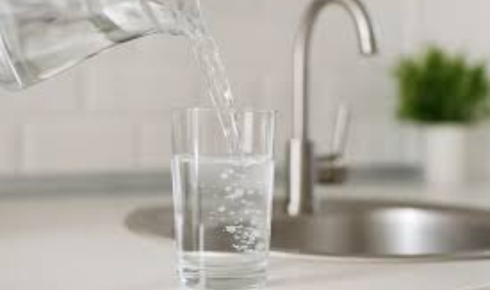
I remember the moment clearly. I poured a glass of water, took a sip, and paused. Not because it was terrible—just… off. Slightly metallic, maybe. Or flat. It’s hard to describe, but you know that feeling when something isn’t quite right, even if you can’t explain why.
That’s the thing about water. It rarely announces itself with drama. It nudges you, gently at first.
The Subtle Clues We Learn to Ignore
Most of us don’t question the water running through our homes. It’s there, it’s clear, and it does its job. But over time, little clues start stacking up. Dry skin after a shower. Spots on dishes. A strange aftertaste that shows up in tea or coffee.
These aren’t emergencies. They’re just… annoyances. Easy to brush aside.
But those small signals often point to something deeper—your water quality might not be as balanced as you think. Not unsafe, necessarily. Just not ideal.
And once you notice, it’s hard to unsee.
Why “Safe” Doesn’t Always Mean “Good”
Here’s something that took me a while to understand: water can meet safety standards and still not feel right. Municipal systems do their job, no doubt. But along the way, water can pick up minerals, chlorine, or even traces of metals from pipes.
It’s a bit like eating food that’s technically fine but lacks freshness. You can live with it. But you don’t exactly enjoy it.
That difference—between acceptable and enjoyable—is where things start to matter.
Making Sense of What’s Actually Happening
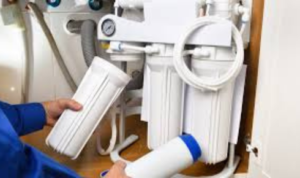
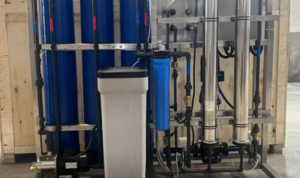
When people begin to question their water, they often jump straight to solutions. Filters, purifiers, softeners—it can get overwhelming pretty quickly.
But the truth is, there’s no one-size-fits-all answer. Every home has its own story. Some deal with hard water, others with taste issues, and some with both.
That’s why thoughtful water solutions are less about buying the most advanced system and more about understanding your specific needs. It’s not a race to upgrade—it’s a process of figuring out what actually improves your daily experience.
And sometimes, the simplest fix is the right one.
The Way Better Water Feels
It’s funny—when water improves, it doesn’t shout about it. There’s no dramatic “before and after” moment. Instead, things just start feeling… easier.
Your morning coffee tastes smoother. Your skin doesn’t feel as tight after a shower. Clothes come out of the wash looking a bit brighter. You stop noticing the water altogether—and that’s kind of the point.
Because good water doesn’t demand attention. It blends in, quietly doing its job.
Your Home, Your Water Story
What I’ve come to realize is that home water is more personal than we think. It’s not just about plumbing or infrastructure—it’s about comfort. Routine. The small rituals that make up your day.
The water you drink, cook with, bathe in—it all plays a role in how your home feels. And when something’s off, even slightly, it creates a kind of background friction you didn’t realize was there.
Fixing that doesn’t require perfection. It just requires awareness.
Starting Without Overthinking It
If you’re beginning to question your water, the best step isn’t to rush into buying something. It’s to pause and observe. What bothers you most? Is it taste? Smell? The way your appliances behave?
From there, things get clearer. You can explore options that actually address your concerns instead of guessing your way through it.
And honestly, that’s where most people find relief—not in chasing the “best” system, but in choosing one that fits.
A Small Shift That Stays With You
Looking back, I didn’t expect water to become something I’d think about this much. It always felt like a background detail, something automatic.
But improving it changed more than I thought. Not in a big, dramatic way—but in dozens of small, quiet ways that added up over time.
That glass of water I once hesitated to drink? It’s not a question anymore.
And maybe that’s the real goal. Not to obsess over water—but to reach a point where you don’t have to think about it at all.