A home should feel like a place where you can relax, not somewhere you’re constantly worrying about drafts, leaking rainwater, or repairs that keep getting pushed to next month. Yet even a well-built house needs attention as the years pass. Weather changes, materials wear down, and small problems sometimes appear without much warning. A door that once closed perfectly may start sticking, a window might let in cold air, or a heavy storm could leave damage you don’t notice until later.
The good news is that looking after your home’s exterior doesn’t always require a major renovation. Understanding which areas deserve attention, choosing suitable materials, and acting early when something goes wrong can make a real difference. It can also help you spend your home improvement budget more wisely.
Start With the Parts You Use Every Day
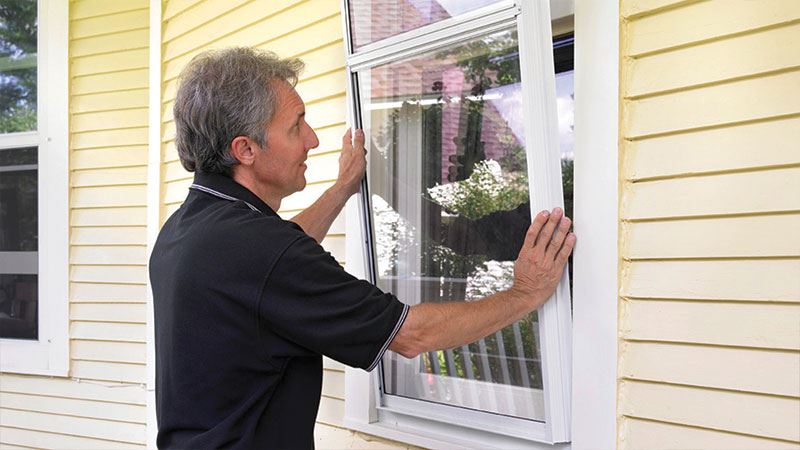
Windows and doors are easy to overlook because they’re such familiar features. You open them every morning, lock them before bed, and probably don’t give them much thought unless something stops working. Still, they play an important role in your home’s comfort, energy efficiency, security, and appearance.
Well-fitted windows & doors can help reduce unwanted drafts, improve indoor comfort, and provide a more reliable barrier against outside weather. Older units may have worn seals, damaged frames, loose hardware, or gaps that allow air and moisture to pass through. Sometimes, a simple adjustment or replacement seal is enough. In other cases, the frame itself may be damaged or the unit may have reached the end of its useful life.
Before replacing everything, take a closer look at the problem. Does the window become difficult to open during humid weather? Is there condensation between double-glazed panes? Does daylight show through a gap around the door? Each symptom points toward a different possible cause.
Energy efficiency is another consideration. Modern window designs may offer improved insulation, but performance depends on the glazing, frame material, installation quality, and local climate. A high-performance product installed poorly may not deliver the benefits you expect.
Security matters just as much. Check that locks operate smoothly, hinges are secure, and exterior doors close firmly without forcing them into place. These small checks take only a few minutes, yet they can help you spot problems before they become inconvenient or unsafe.
Why Weather Protection Should Never Be an Afterthought
Most homeowners know that severe weather can damage a house, but the full impact isn’t always obvious right away. Strong winds may loosen roof materials, flying debris can crack windows, and heavy rain may enter through damaged flashing or gaps around exterior openings. Even when the building looks fine from the street, hidden moisture can create problems behind walls or beneath flooring.
After a major storm, begin with a visual inspection from a safe location. Look for missing shingles, fallen branches, damaged gutters, broken glass, loose siding, and water collecting near the foundation. Inside, check ceilings, attic spaces that are safely accessible, and walls around windows for new stains or damp patches.
If the damage is significant, storm damage restoration may involve several steps rather than one quick repair. The process can include documenting visible damage, preventing additional water entry, removing damaged materials, drying affected areas, and repairing or replacing the components that have failed. The exact work depends on the severity of the event and the condition of the building.
Acting promptly is important because moisture left in enclosed spaces can contribute to mold growth and material deterioration. However, don’t rush into unsafe areas or attempt repairs involving unstable roofs, downed power lines, or structural damage. Contact emergency services or qualified professionals when there is an immediate safety concern.
It’s also wise to take photographs before moving damaged items or beginning non-emergency cleanup, provided you can do so safely. If you plan to make an insurance claim, clear records, receipts, and written communication can help you explain what happened and what work was completed. Review your policy and speak with your insurer about the documentation they require.
Make Improvements That Solve Real Problems
Home improvement projects are often driven by appearance. A fresh exterior color, attractive entryway, or updated windows can certainly make a property look better. But the most worthwhile projects usually combine appearance with practical benefits.
Thoughtful exterior improvements can help address worn materials, improve weather resistance, update the home’s style, and make outdoor spaces more usable. Depending on the property, that might mean replacing damaged trim, repairing masonry, improving drainage, refreshing paint, upgrading exterior lighting, or installing a more durable entry door.
The trick is to identify the underlying issue before choosing a solution. If paint keeps peeling in the same spot, repainting alone may not help if moisture is entering behind the surface. If a porch becomes slippery every time it rains, the answer may involve drainage or a suitable surface treatment rather than simply adding a decorative mat.
Consider your home’s overall condition before starting several projects at once. A new front door may be appealing, but repairing a leaking roof should usually come first. Prioritizing work according to safety, water protection, energy performance, and appearance helps prevent money from being spent in the wrong order.
It’s also worth thinking about maintenance. Some materials need regular painting or sealing, while others may require less frequent attention but cost more upfront. Compare the long-term care requirements, not just the initial purchase price.
Prepare for Seasonal Changes
A simple seasonal routine can prevent many common exterior problems. In spring, inspect the home for damage caused by winter weather and look for cracked sealants or loose materials. Summer is a good time to plan larger repairs when conditions are suitable. In autumn, clear leaves from drainage channels and check that downspouts direct water away from the foundation.
Before winter arrives, make sure exterior doors close properly and inspect window seals for visible deterioration. If your area experiences freezing temperatures, ask a qualified professional about suitable precautions for exposed pipes and vulnerable exterior components.
Don’t forget the landscaping. Branches rubbing against windows or siding can gradually damage surfaces, while plants growing too close to walls may trap moisture. Maintaining reasonable clearance around the house supports airflow and makes inspections easier.
You don’t need an elaborate checklist taped to the refrigerator, either. A reminder on your phone and a few photographs taken during each inspection can be enough to track changes over time.
Choosing the Right Help for Repairs
Some maintenance tasks are suitable for confident homeowners, but more complex repairs call for experience and appropriate equipment. When hiring a contractor, look for relevant qualifications, insurance, references, and a clear written estimate. Ask which materials will be used, how long the work is expected to take, and whether the quoted price includes cleanup and disposal.
Be cautious of anyone who pressures you to sign immediately, especially after a storm. A professional should explain the problem, outline reasonable options, and give you time to understand the proposal whenever circumstances allow. For urgent damage, temporary protection may be necessary, but permanent repairs should still be properly planned.
Keep copies of contracts, invoices, product information, and warranties. These records can be useful if you need future repairs or decide to sell the property.
A Home That Holds Up Over Time
Taking care of a home is rarely about one dramatic project. More often, it’s a collection of sensible decisions: fixing a damaged seal, checking a window frame, addressing water intrusion, or planning an upgrade before an old component fails completely.
Start with the issues that affect safety and protection, then work through comfort, efficiency, and appearance as your budget allows. When something looks unusual, investigate it rather than assuming it can wait indefinitely.
A home doesn’t have to be brand-new to feel secure and inviting. With regular attention, practical improvements, and the right professional support when needed, you can keep it comfortable, attractive, and better prepared for whatever the next season brings.