It usually starts small. A faint film on your tap. A kettle that needs cleaning more often than it should. Maybe your shampoo doesn’t lather like it used to, and your skin feels a bit tight after a shower. Nothing dramatic—just enough to make you pause and think, “Was it always like this?”
That quiet doubt is often the first sign your water deserves a closer look.
The Little Signs We Learn to Ignore
Most of us grow up assuming tap water is fine. It’s there, it works, and we don’t question it. But water isn’t just “on” or “off.” Its quality can change, sometimes slowly, sometimes depending on the season or source.
You might notice white spots on dishes, or a chalky residue around faucets. These are classic hints of hard water buildup, something that tends to sneak into homes without much warning. It doesn’t feel urgent, so it gets ignored. Until, of course, it starts affecting more than just appearances.
When Water Starts Affecting Your Daily Routine
The tricky part is that water issues rarely stay in one place. They spread into your routine in ways you don’t expect.
Laundry doesn’t feel as soft. Towels get rough over time. Even your appliances—your washing machine, your geyser—start working harder than they should. It’s not always obvious, but there’s a slow wear and tear happening behind the scenes.
And then there’s drinking water. If it tastes slightly off or smells faintly chemical, you might start second-guessing something as basic as filling a glass.
Understanding What Your Water Actually Needs
Here’s where people often get stuck. There’s no shortage of advice online—filters, purifiers, conditioners—but not all solutions fit every situation.
Water is local. What works perfectly in one area might not make sense in another. That’s why the idea of one “perfect” fix doesn’t really hold up.
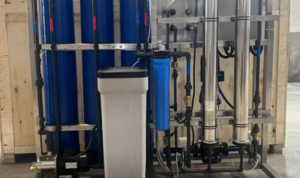
Instead, it helps to think in terms of water solutions that are tailored to your specific problem. If your issue is hardness, a softening system might be enough. If it’s contaminants, filtration becomes more important. Sometimes, it’s a mix of both.
It’s less about buying something expensive and more about choosing something appropriate.
The Emotional Side of Better Water (Yes, It Exists)
This might sound a bit strange, but improving your water isn’t just a practical decision—it’s an emotional one too.
When your water feels right, you notice it in small, almost subconscious ways. Showers feel more refreshing. Cooking feels easier. Even something as simple as washing your hands becomes a slightly better experience.
There’s a kind of quiet comfort in knowing your home is working the way it should.
When It Makes Sense to Ask for Help
Of course, not everyone wants to figure this out on their own. And honestly, you don’t have to.
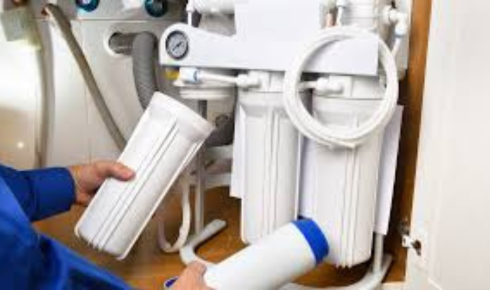
Sometimes, bringing in water specialists can save you time and guesswork. They can test your water, explain what’s going on, and recommend solutions that actually make sense for your setup.
It’s not about complicating things—it’s about simplifying the process so you don’t end up trying five different fixes that don’t quite work.
Small Changes That Add Up Over Time
One of the most surprising things about improving water quality is how gradual the benefits feel. There’s no big “before and after” moment. Instead, things just… get better.
Your appliances last longer. Cleaning becomes easier. Your skin feels less irritated. These aren’t headline changes, but they add up in a meaningful way over time.
And once you get used to it, it’s hard to go back.
A Thought to Take With You
Water is one of those essentials we rarely think about until something feels off. But when you do start paying attention, it opens up a whole new way of looking at your home.
You don’t need to overanalyze every drop. Just stay aware. Notice the signs. Trust your instincts if something doesn’t feel right.
Because sometimes, the simplest improvements—like better water—end up making the biggest difference in how your everyday life feels.