It usually starts with something small. Maybe your morning glass of water tastes a bit sharp, or your shower leaves your skin feeling tighter than it should. Nothing dramatic, nothing urgent—but enough to make you pause and think, “Has it always been like this?”
Water has a strange way of blending into the background of daily life. We trust it without thinking much about it. Until, of course, something feels off. And once you notice it, it’s hard to un-notice.
The Subtle Signs You Shouldn’t Ignore
Most household water issues don’t announce themselves loudly. They whisper. A faint smell, a slightly odd taste, a film left behind on your glassware. Sometimes it’s the way your hair feels after a shower—less soft, more… stubborn.
These are the early clues. The kind that are easy to dismiss because they don’t seem serious. But they matter. Over time, these little inconveniences stack up and start affecting your routine in ways you didn’t expect.
Many common water problems are linked to mineral content, chlorine levels, or aging pipes. None of these are unusual, but they do shape how your water behaves—and how it feels to live with it.
Why Taste Is More Important Than You Think
Let’s talk about taste for a second. Because, honestly, it’s one of the first things people notice.
In many areas, chlorine is added to water as a disinfectant. It does an important job—keeping harmful bacteria at bay—but it often leaves behind a distinct taste and smell. Some people describe it as “chemical,” others say it’s like a swimming pool. Either way, it’s not exactly refreshing.
That’s why so many homeowners look for ways to remove chlorine taste from their tap water. It’s not just about preference. When water tastes better, you naturally drink more of it. You stop relying on bottled alternatives. Cooking feels more enjoyable, too—your tea, coffee, even soups taste cleaner and more balanced.
It’s a small shift, but it changes your relationship with something you use every single day.
The Hidden Impact on Skin and Hair
Here’s something people don’t always connect right away: your water quality doesn’t just affect what you drink—it affects what you feel.
Hard water and chlorine can both play a role in how your skin and hair react after washing. Dryness, irritation, or that slightly rough texture in your hair—these aren’t always about your products. Sometimes, it’s the water itself.
Improving water quality can support healthier skin hair in ways that feel surprisingly noticeable. Showers feel softer. Your skin doesn’t feel as stripped. Hair becomes easier to manage, less prone to that dull, lifeless look.
It’s not an overnight transformation, but over time, it’s one of those changes you quietly appreciate.
Small Fixes, Real Difference
A lot of people assume that fixing water issues means investing in something big and complicated. But that’s not always the case.
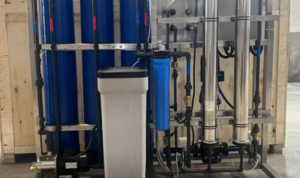
Sometimes, a simple filtration system can make a noticeable difference. Other times, addressing specific issues—like hardness or chlorine—requires a more tailored approach. The key is understanding what’s actually affecting your water before jumping into solutions.
Start by observing. What bothers you most? Is it the taste? The feel? The buildup on fixtures? Once you pinpoint the issue, the solution becomes clearer—and often simpler than you expected.
Living With Better Water
There’s a quiet kind of satisfaction that comes with improving your water. It’s not flashy. It doesn’t shout for attention. But it shows up in small, everyday moments.
A glass of water that tastes clean without needing a second thought. A shower that feels refreshing instead of drying. Clothes that come out of the wash feeling softer, looking brighter.
These are the things that make a house feel more comfortable, more livable. And once you experience it, it’s hard to go back.
It’s About Feeling at Ease
At the end of the day, water isn’t something you want to worry about. It should just… work. Quietly, reliably, without making you question it.
When something feels off, it’s worth paying attention. Not because it’s a crisis, but because it’s an opportunity to improve something fundamental in your home.
A Thought to Take With You
We often overlook water because it’s always there. But when it starts to feel different, it reminds us how important it really is.
Fixing it doesn’t have to be overwhelming. It starts with noticing, then understanding, and finally making a change—however small.
Because sometimes, the simplest improvements make the biggest difference. And when your water feels right again, everything else just flows a little easier.