
There’s a moment—usually subtle—when you realize something about your home isn’t quite right. Maybe it’s the way your skin feels tight after a shower, or how your coffee never quite tastes the way it should. Nothing dramatic, just small things that add up over time.
Water is one of those invisible factors we rarely question. It flows, we use it, and that’s about it. But once you start paying attention, you notice how deeply it affects everyday comfort. And oddly enough, improving your water often feels less like a technical upgrade and more like restoring balance.
The Quiet Problem of Hard Water
Hard water isn’t exactly a crisis. It won’t set off alarms or break your day in half. But it lingers in the background, slowly making life a bit more inconvenient.
You see it in the chalky residue on your taps. You feel it when soap refuses to lather properly. Your appliances—kettles, washing machines—start to show signs of wear earlier than expected.
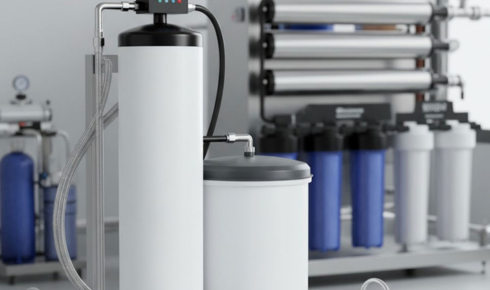
That’s where soft water systems come into the picture. They’re not flashy, and they don’t promise miracles. What they do is simple: remove excess minerals that cause buildup and inefficiency.
The difference, though? It’s noticeable. Water feels smoother, almost silk-like. Cleaning becomes easier. Even your clothes seem to last longer. It’s one of those changes that doesn’t shout for attention—but quietly improves everything.
Drinking Water That Tastes Like It Should
Let’s talk about drinking water for a second. You’d think something so essential would always taste clean and refreshing, but that’s not always the case.
Sometimes there’s a faint chlorine aftertaste. Other times, it’s a metallic hint you can’t quite ignore. You might not notice it immediately, but once you do, it’s hard to un-notice.
This is where reverse osmosis drinking water systems make a real difference. They go beyond basic filtration, removing impurities at a microscopic level. What’s left is water that tastes… honest. Crisp, neutral, and exactly how water should be.
People often say they start drinking more water without even trying. And that makes sense. When something tastes better, you naturally reach for it more often.
It’s Not Just About Homes
While most conversations around water focus on residential use, there’s a whole other side to it—businesses.
Think about restaurants, cafes, offices. Water quality directly impacts customer experience, even if customers don’t realize it consciously. A bad-tasting beverage or cloudy ice can quietly damage impressions.
That’s why commercial water filtration systems are becoming increasingly common. They’re designed to handle larger volumes while maintaining consistent quality. It’s not just about compliance or safety—it’s about delivering a better experience.
In a way, businesses that invest in water quality are investing in trust. And trust, as we all know, is hard to earn and easy to lose.
The Small Changes That Add Up
What’s interesting about improving water quality is how many little things it touches.
Your morning routine feels smoother—literally. Your appliances run more efficiently. Cleaning takes less effort, which means you use fewer products. Over time, even your utility bills can reflect these changes.
But beyond the practical side, there’s a comfort factor that’s harder to measure. Showers feel more refreshing. Cooking feels more satisfying. Even something as simple as washing your hands becomes a slightly better experience.
It’s not life-changing in a dramatic sense. But it’s life-improving in a quiet, steady way.
Choosing What Works for You
There’s no single perfect solution when it comes to water. What works for one home—or one business—might not make sense for another.
Some people start with softening systems because hard water is their main concern. Others prioritize drinking water quality. And in many cases, a combination of solutions makes the most sense.
The important thing is understanding your specific needs. Not guessing, not copying what someone else did—but actually looking at your water and figuring out what it requires.
That might sound technical, but it doesn’t have to be. It’s really just about paying attention.
Why We Often Overlook Water
Maybe it’s because water is so constant, so ever-present, that we forget to question it. We focus on visible upgrades—new furniture, fresh paint, better lighting—while ignoring something that plays a role in almost everything we do.
And yet, once you improve it, the difference is surprisingly noticeable.
It’s like adjusting the background settings of your life. You don’t always see it directly, but you feel it in everything else.
A Thought to Take with You
If you’ve ever had that small, nagging feeling that your water could be better, it’s probably worth exploring.
Not in a rushed, overwhelming way. Just… start noticing. Pay attention to taste, feel, and the little signs your home gives you.
Because sometimes, the most meaningful improvements aren’t the ones everyone notices right away. They’re the ones that quietly make your daily life easier, more comfortable, and just a bit more enjoyable.
And when it comes to water, those small improvements tend to ripple out further than you’d expect.