There’s a moment—usually small, easy to miss—when you start questioning your water. Maybe it’s after reading something late at night, or noticing a strange taste that wasn’t there before. You pause mid-sip and think, Is this really as clean as it should be?
It’s not paranoia. It’s awareness. And once it kicks in, it tends to stick around.
Water is one of those things we rely on so completely that we rarely stop to examine it. Until we do. And then, suddenly, it feels like there’s a lot to unpack.
The Comfort of Knowing What You’re Drinking
Let’s be honest—most of us don’t want to overthink water. We just want it to be safe, reliable, and, ideally, pleasant to drink. That’s where the idea of clean drinking water becomes more than just a phrase. It turns into a daily expectation.
But “clean” can mean different things depending on who you ask. For some, it’s about taste. For others, it’s about removing invisible contaminants—things you can’t see, smell, or even easily test for at home.
That gap between what we assume and what actually exists is where many people start exploring better filtration options.
Not out of fear, necessarily. More out of curiosity… and maybe a bit of caution.
What’s Really in Your Water?
Municipal treatment plants do a solid job of making water safe. That’s worth acknowledging. But they’re not designed to remove everything—especially newer or more complex contaminants.
Substances like industrial chemicals, pharmaceutical traces, or environmental pollutants can sometimes slip through at very low levels. Not enough to cause immediate harm, but enough to raise questions.
And once those questions are there, it’s hard to ignore them.
That’s part of why conversations around water quality have shifted over the years. It’s no longer just about bacteria or visible impurities. It’s about the unseen.
A Deeper Level of Filtration
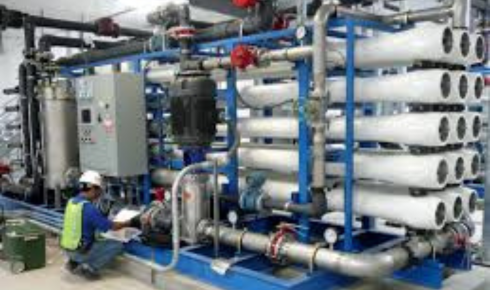
If you’ve ever looked into advanced water treatment, you’ve probably come across reverse osmosis systems. The name sounds technical—and it is—but the concept is surprisingly intuitive.
Water is pushed through a semi-permeable membrane that filters out a wide range of contaminants, including dissolved solids, heavy metals, and certain chemicals. What you’re left with is water that’s been stripped down to a much purer state.
And yes, you can taste the difference.
It’s not dramatic, not like switching from tap water to something sugary or flavored. It’s more subtle than that. Cleaner. Crisper. Almost neutral, in a way that makes you trust it more.
The PFAS Conversation
Over the past few years, one term has started appearing more frequently in discussions about water: PFAS. Sometimes called “forever chemicals,” these substances don’t break down easily in the environment or the human body.
They’ve been used in everything from non-stick cookware to firefighting foam, and traces of them have been found in water supplies around the world.
That’s where pfas removal becomes an important consideration. Not every system can effectively reduce these compounds, but certain advanced filtration methods—like reverse osmosis—have shown promising results.
It’s not about panic. It’s about staying informed.
Because when it comes to something you consume every day, even small improvements can feel significant.
It’s Not Just About Drinking
Here’s something that often gets overlooked: water quality affects more than just what you drink.
It influences how you cook, how your coffee tastes, how your vegetables are washed. It even plays a role in how you feel about your home environment.
There’s a kind of quiet reassurance that comes from knowing your water is as clean as you can reasonably make it. You don’t second-guess it. You don’t hesitate.
And that peace of mind? It’s hard to put a price on.
Finding the Right Balance
Of course, not everyone needs the same level of filtration. That’s an important point.
Some homes have relatively good water quality to begin with. Others might face specific challenges—like high mineral content or localized contamination issues. The key is understanding your starting point.
Water testing can help with that. It gives you real data instead of guesswork. And from there, you can decide what level of treatment makes sense for you.
It’s easy to get caught up in wanting the “best” system. But often, the best system is simply the one that fits your needs without overcomplicating things.
Living With Better Water
Once you make the switch—whatever that looks like—you start to notice small changes.
You drink more water without thinking about it. You rely less on bottled alternatives. You feel a bit more confident in everyday routines.
It’s not a dramatic lifestyle shift. It’s quieter than that. More like a steady improvement that becomes part of the background.
And honestly, that’s what makes it sustainable.
A Thought to Take With You
At the end of the day, water is deeply personal. It’s part of your routine, your health, your home. And while it’s easy to take it for granted, it’s also one of the simplest areas where small changes can make a real difference.
You don’t have to become an expert. You don’t need to obsess over every detail.
But paying a little more attention? Asking a few questions? Exploring your options?
That’s usually where it starts.
And more often than not, it leads somewhere better—one glass at a time.