There’s a moment—usually quiet, almost forgettable—when you realize your roof isn’t something you can ignore anymore. Maybe it’s a faint stain on the ceiling or a drip that only shows up during heavy rain. Nothing dramatic, just enough to make you pause.
And suddenly, you’re faced with decisions you probably never wanted to make. Who do you call? What do you fix? And most importantly… who do you trust?
Because when it comes to your roof, it’s never just about shingles or tiles. It’s about people. It always comes back to people.
It Starts With How You’re Treated
You can tell a lot about a roofing company from the very first conversation. Not the technical stuff—the tone.
Do they listen, or do they jump straight into selling? Do they explain things in a way that actually makes sense, or do they throw around jargon like it’s meant to impress you?
That’s where the idea of customer focused roofing really comes into play. It’s not just a buzzword, even though it sounds like one. It’s about making the homeowner feel involved, not overwhelmed.
I once spoke to a contractor who spent more time asking questions than giving answers. At first, it felt unusual. But then it clicked—he wasn’t trying to rush the job. He was trying to understand it.
And honestly, that kind of approach sticks with you.
Materials Matter More Than Most People Think
Let’s talk about something that often gets overlooked until it’s too late—the actual materials going into your roof.
It’s easy to assume all roofing materials are roughly the same. After all, they look similar from the ground. But the differences? They show up over time.
Weather resistance. Durability. Even how well your home stays cool in summer or warm in winter—it all ties back to what your roof is made of.
Using quality materials isn’t about going for the most expensive option. It’s about choosing what’s right for your environment and your needs. Sometimes that means spending a little more upfront to avoid bigger problems later.
I’ve seen homes where cheap materials led to repeated repairs within just a few years. And I’ve seen others where a well-chosen system quietly lasted decades.
It’s one of those decisions that doesn’t feel urgent in the moment—but becomes very real over time.
The People Doing the Work Make All the Difference
You can pick the best materials in the world, but if the installation isn’t done properly, none of it really matters.
That’s why finding reliable roofers is such a big deal.
And reliability, interestingly enough, isn’t just about showing up on time. It’s about consistency. Attention to detail. Doing the job right even when no one’s watching.
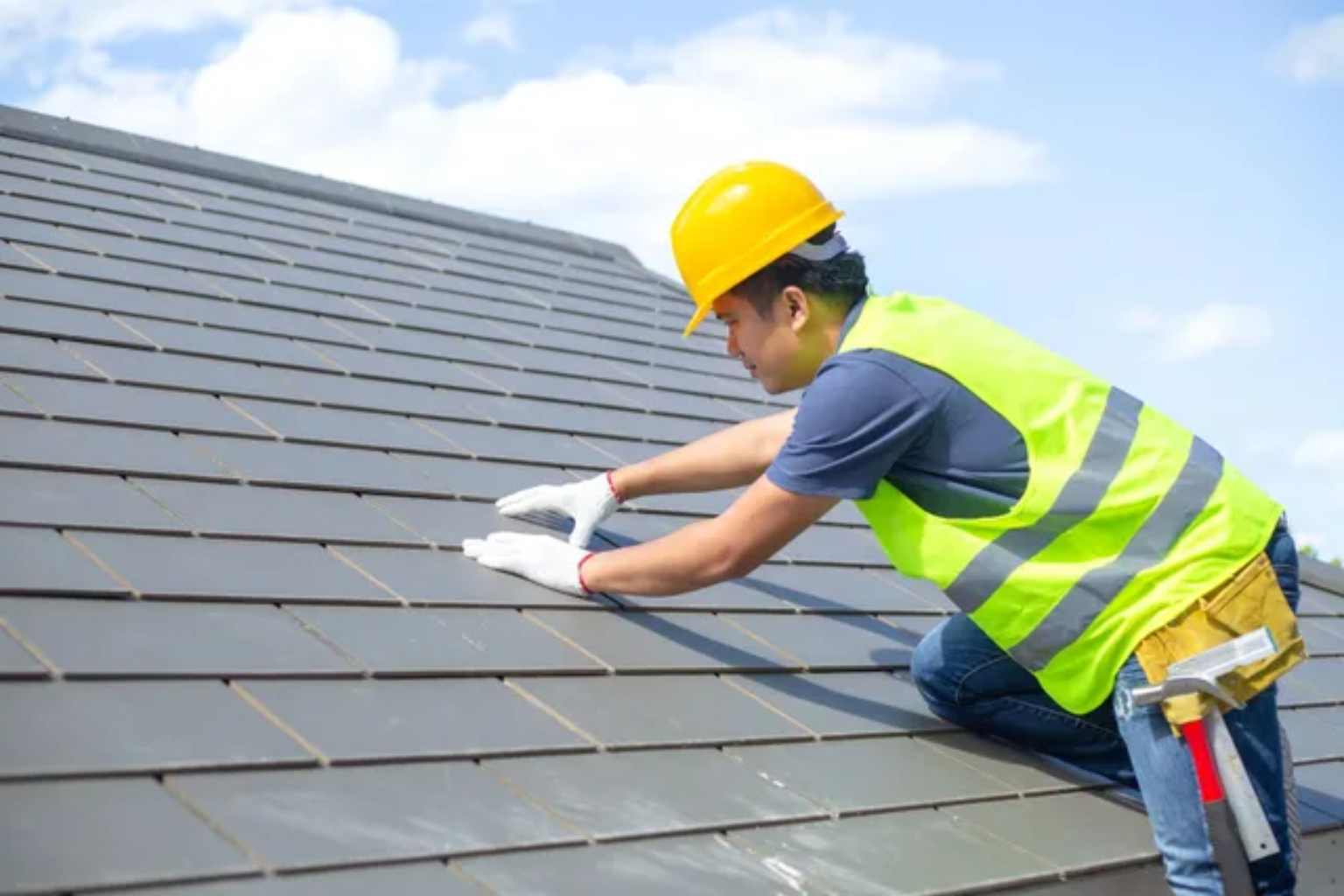
I remember watching a crew work on a neighbor’s roof once. No shortcuts, no rushing. They double-checked everything—edges, seals, alignment. It wasn’t flashy, but it was thorough.
That kind of work doesn’t always stand out immediately. But over time, it’s what keeps problems from coming back.
There’s Always More Happening Beneath the Surface
Roofs aren’t just about what you can see. In fact, some of the most important parts are hidden.
Ventilation systems, insulation layers, moisture barriers—they all play a role in how well your roof performs. And if one part fails, it can affect everything else.
It’s a bit like an ecosystem. Everything is connected.
Which is why a good contractor doesn’t just look at the surface. They look at the structure as a whole. They think long-term, not just about fixing the immediate issue.
And that’s where experience quietly shows itself.
Repairs vs. Replacement — A Question Without a Simple Answer
At some point, every homeowner faces this dilemma.
Do you keep repairing what’s already there? Or do you start fresh?
The answer isn’t always clear. Sometimes, a small repair is all you need. Other times, repeated fixes start adding up—financially and mentally.
It’s a bit like patching an old wall again and again, hoping it’ll hold. Eventually, you start wondering if it’s worth starting over.
A good professional won’t push you in one direction or another. They’ll lay out the options, explain the pros and cons, and let you decide.
And that, honestly, is what builds trust.
Weather Has Its Own Agenda
No matter how well your roof is built, the weather will always test it.
Heat, rain, wind—they all leave their mark over time. Especially in places where seasons are intense or unpredictable.
The key isn’t to fight the weather—it’s to prepare for it.
Choosing the right materials, ensuring proper installation, and staying on top of maintenance can make a huge difference. Not in a dramatic way, but in a steady, reliable one.
A Quiet Investment That Pays Off Daily
We don’t often think of roofs as investments. There’s no excitement, no immediate return.
But every day your roof performs well, it’s protecting everything underneath it. Your home, your belongings, your routines.
It’s easy to overlook something that works quietly in the background. Until it doesn’t.
And when you think about it that way, the value becomes clearer.
Final Thoughts — It’s About Trust More Than Anything
At the end of the day, roofing decisions aren’t just technical. They’re personal.
You’re trusting someone with your home. Your space. Your sense of safety.
So take your time. Ask questions. Pay attention to how people communicate, not just what they offer.
Because a good roof isn’t just built with the right materials or the right tools.
It’s built on trust.