There’s something oddly invisible about water in a home. You use it constantly—without pause, without much thought. It’s there when you wake up, there when you cook, there when you wind down at night.
But every once in a while, something feels… off. Not enough to cause alarm, just enough to notice. A slight taste. A bit of buildup on fixtures. Maybe your coffee doesn’t hit quite the same.
And that’s usually where the conversation begins.
When Everyday Water Feels Different
It’s not always obvious when water quality changes. There’s no dramatic shift, no sudden red flag. Just small signs that something isn’t quite as it used to be.
Soap doesn’t lather the same. Glassware looks a little dull. Skin feels drier after a shower. These aren’t major problems, but they add up.
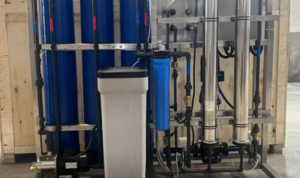
That’s when people start looking into softeners and filter systems. Not because their water is unsafe, but because it could be better. These systems are designed to remove excess minerals, reduce impurities, and bring balance back to something you use every day.
And once that balance is restored, the difference is subtle—but noticeable.
The Role of Drinking Water in Daily Comfort
Beyond what comes out of your taps, there’s the water you drink. And while bottled water has become common, many people are shifting toward simpler, more sustainable options.
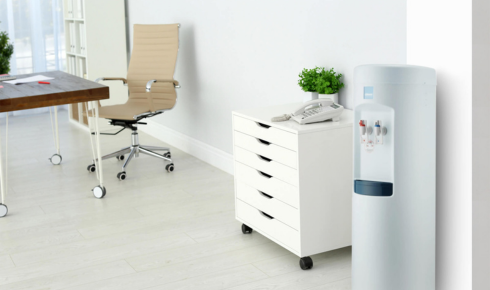
That’s where water coolers come into play. They offer a convenient way to access clean, chilled water without relying on single-use bottles. Whether in a home office or a shared space, they make hydration feel effortless.
What’s interesting is how quickly they become part of your routine. You don’t think about it—you just reach for a glass, fill it, and move on.
It’s a small upgrade, but one that fits naturally into everyday life.
Knowing What You’re Working With
Before making any changes, there’s one step that often gets overlooked: understanding your current water.
It’s easy to assume what the issue might be, but assumptions don’t always lead to the right solutions. That’s why free in-home water testing can be so helpful.
It gives you a clear picture—what’s in your water, what’s within normal limits, and what might need attention. Sometimes the results confirm what you suspected. Other times, they reveal things you wouldn’t have guessed.
Either way, it turns guesswork into clarity.
Small Adjustments, Real Impact
One of the most surprising things about improving water quality is how small changes can make a big difference.
A softener reduces mineral buildup, making cleaning easier.
A filter improves taste, making drinking water more enjoyable.
A cooler adds convenience, encouraging better habits.
Individually, these changes might seem minor. But together, they shift how you experience your home.
And over time, that shift becomes your new normal.
It Doesn’t Have to Be Complicated
There’s a tendency to overthink water systems. To assume you need a full, complex setup to see results.
But that’s not always the case.
Some homes benefit from a simple filter. Others need a softener. Some combine both. The key is choosing what fits your needs—not what seems most advanced.
Starting small often works best. You can always build from there if needed.
The Quiet Value of Consistency
Water improvements aren’t about one-time fixes. They’re about maintaining consistency.
Replacing filters when needed.
Checking system performance occasionally.
Keeping an eye on how water feels and behaves.
These aren’t demanding tasks. They’re small habits that keep everything running smoothly.
And once they’re part of your routine, they don’t feel like extra work.
A Subtle Shift in Perspective
Improving your water doesn’t just change how it looks or tastes—it changes how you think about it.
You become more aware of what you’re using. More intentional about how you maintain it. More appreciative of the systems that keep it flowing.
It’s not a dramatic transformation. Just a quiet shift in perspective.
Final Thoughts
Water is one of those things we rely on without much thought. It’s constant, dependable, and easy to overlook.
But when you take a closer look—when you make a few thoughtful adjustments—you realize how much it shapes your daily experience.
You don’t need to chase perfection. You don’t need to overhaul everything at once.
Just start with awareness. Make small changes where they make sense. And let those changes build over time.
Because in the end, it’s not about fixing something broken.
It’s about making something essential feel just a little bit better.