There’s a strange thing about water—it rarely gets the attention it deserves until something feels off. Maybe your kettle starts building up scale faster than usual, or your skin feels dry even after a shower. It’s not dramatic enough to panic over, but it lingers in the back of your mind.
And then, one day, you start wondering… is this just how it’s supposed to be?
When “Normal” Water Starts Feeling Questionable
Most of us grow up assuming tap water is just… water. Clear, usable, good enough. But over time, little inconsistencies start showing up.
A faint taste that doesn’t quite sit right. Soap that refuses to lather properly. That annoying residue left on glasses no matter how well you rinse them. These things don’t scream “problem,” but they do nudge you toward asking questions.
Hard water is often the quiet culprit. It carries minerals like calcium and magnesium, which aren’t harmful but can definitely be inconvenient. And then there are other factors—chlorine, sediment, or even subtle contaminants—that shape how water feels, smells, and behaves.
You don’t always notice it immediately. But once you do, it’s hard to unsee.
Understanding the Role of Better Conditioning
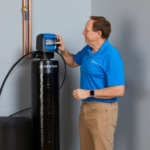
At some point, curiosity turns into action. That’s when people begin exploring water conditioning equipment—not because they want something fancy, but because they’re tired of dealing with the same small annoyances every day.
These systems are designed to adjust the quality of water rather than simply filtering it. They soften hardness, balance minerals, and make water more compatible with your home’s plumbing and appliances.
And honestly, the difference isn’t always dramatic at first. It’s more like a slow realization. Your fixtures stay cleaner longer. Your clothes feel softer. Even your skin doesn’t feel as tight after a shower.
It’s not flashy. But it’s consistent—and that’s what makes it valuable.
The World of Filters Is Bigger Than You Think
Once you step into this space, it quickly becomes clear—there’s no single solution for every home.
Some households deal with high iron levels. Others struggle with chlorine taste or sediment buildup. And then there are cases where multiple issues overlap, creating a need for something more tailored.
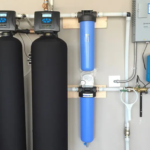
That’s where specialty filter options come into the picture. These systems are built to address specific concerns—like removing sulfur odors, reducing heavy metals, or tackling unique regional water challenges.
It might sound technical, but it doesn’t have to be overwhelming. The key is understanding your water first, then choosing a system that aligns with your actual needs.
Because, let’s be honest, overcomplicating things rarely leads to better results.
Drinking Water: The Part That Hits Closest to Home
If there’s one area where people feel the difference immediately, it’s drinking water.
Taste matters. A lot more than we tend to admit. If your water has even a slight off-flavor, you’ll notice it every single day—whether you’re making tea, cooking, or just trying to stay hydrated.
That’s why many households turn to drinking water filters as a starting point. These systems focus specifically on improving taste, removing unwanted odors, and filtering out common contaminants.
And the change? It’s subtle but satisfying. You pour a glass, take a sip, and for once, there’s nothing distracting about it. Just clean, neutral water.
It’s one of those small upgrades that quietly improves your daily routine.
The Ripple Effect Across Your Home
What’s interesting is how water quality doesn’t stay confined to one area—it affects everything.
Your washing machine works more efficiently. Your dishwasher leaves fewer spots. Even your plumbing system benefits from reduced buildup and wear.
And then there’s the personal side of it. Showers feel better. Skin irritation might reduce. Hair feels less brittle. These aren’t guaranteed outcomes, of course, but they’re common enough to be worth noting.
It’s like fixing something you didn’t fully realize was broken.
Keeping It Practical (Because It Should Be)
One thing that often stops people from upgrading their water systems is the fear of complexity. Too many options, too many technical details—it can feel like a lot.
But it doesn’t have to be.
Start with what you’re experiencing. Is it hardness? Taste? Odor? Once you identify the main issue, the solution becomes much clearer.
You don’t need the most advanced system on the market. You just need the right one for your situation.
And sometimes, that’s surprisingly simple.
Maintenance: The Quiet Commitment
Of course, no system runs perfectly forever.
Filters need replacing. Equipment needs occasional checks. It’s not demanding, but it does require a bit of attention.
Think of it as routine care—like servicing your car or maintaining your home. You don’t wait for something to go wrong; you keep things running smoothly so problems don’t arise in the first place.
And once you get into the habit, it becomes second nature.
A Final Thought on Something We Often Overlook
Water doesn’t ask for attention. It doesn’t make noise or demand upgrades. It just flows, quietly shaping your daily life.
But when you start paying attention—really paying attention—you realize how much it matters.
From the way your coffee tastes to how your appliances perform, it’s all connected.
And maybe that’s the takeaway here. Improving your water isn’t about chasing perfection. It’s about making everyday life just a little easier, a little better—one glass, one shower, one moment at a time.