Living in Dublin has a lot going for it—culture, coastline, character-filled homes. But anyone who has spent a winter here knows the downside too: damp. Persistent moisture in the air, combined with older housing stock and limited ventilation, creates perfect conditions for mould. And one of the most vulnerable places it shows up? Carpets.
Battling Dublin’s Damp :Why Carpets Are Especially Vulnerable in Dublin Homes
Carpets act like sponges. They trap moisture, dust, skin cells, and organic debris—all things mould needs to grow. In Dublin, that risk is amplified by a few local factors:
- High outdoor humidity for much of the year
- Limited sunlight during autumn and winter months
- Solid-wall and period properties that lack modern damp-proofing
- Drying clothes indoors, a common necessity during wet seasons
Once moisture seeps into carpet fibres or the underlay beneath, it doesn’t evaporate easily. Even if the surface feels dry, the base can stay damp for days. That’s usually when the musty smell starts.
Battling Dublin’s Damp :The Health and Home Risks of Carpet Mould
Mould isn’t just unpleasant—it can be harmful. According to guidance aligned with bodies such as the Environmental Protection Agency, prolonged exposure to indoor mould can contribute to:
- Respiratory irritation and coughing
- Worsened asthma symptoms
- Skin and eye irritation
- Persistent headaches or fatigue in sensitive individuals
From a property perspective, mould can permanently stain carpets, degrade fibres, and even spread into floorboards and walls if left untreated. At that point, prevention becomes replacement—and that’s expensive.
Battling Dublin’s Damp :Common Causes of Carpet Mould (And the Ones People Miss)
Most people associate mould with leaks or flooding. Those are obvious triggers, but in Dublin homes, mould often appears without any single dramatic event.
Poor Ventilation
Modern living prioritises warmth and energy efficiency. Windows stay closed. Doors are sealed. Moist air has nowhere to go, so it settles into soft furnishings.
Condensation
Warm indoor air hitting cold floors creates condensation—especially in ground-floor rooms and bedrooms. Carpets quietly absorb that moisture overnight.
Inadequate Cleaning
Over-wetting carpets during DIY cleaning is a big one. If extraction isn’t powerful enough, moisture is left behind in the underlay.
Subfloor Damp
In older homes, rising damp or poorly insulated concrete floors can feed moisture directly into the carpet from below.
Battling Dublin’s Damp :How to Prevent Mould Growth in Carpets (Practical, Real-World Steps)
1. Control Indoor Humidity First
If you do nothing else, do this. Aim to keep indoor humidity between 40–60%.
- Use a dehumidifier in rooms with carpets, especially bedrooms and living areas
- Empty water tanks daily—sounds obvious, but it’s often forgotten
- Avoid drying clothes on radiators in carpeted rooms
This single step reduces mould risk dramatically.
2. Improve Airflow (Even When It’s Cold)
Fresh air matters more than warmth when it comes to mould prevention.
- Open windows for 10–15 minutes daily, even in winter
- Keep furniture slightly away from walls to allow airflow
- Use extractor fans consistently in kitchens and bathrooms
A short burst of cold air is better than hours of trapped moisture.
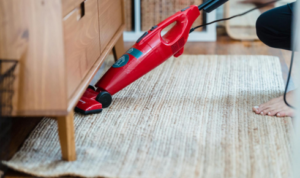
3. Be Careful With Carpet Cleaning
Clean carpets regularly—but dry them fast.
- Avoid soaking carpets with rental machines
- Use fans or open windows immediately after cleaning
- Never walk on damp carpets with socks or bare feet—it pushes moisture deeper
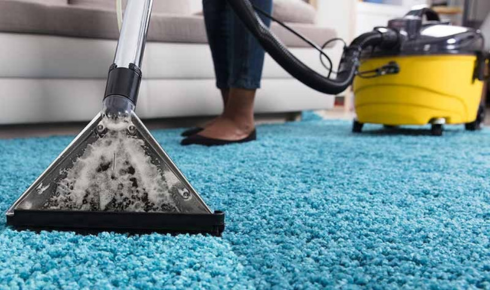
Professional cleaning with proper extraction makes a difference, particularly in Dublin’s climate. This is where services like Happy Clean Dublin are often used as part of preventative maintenance rather than emergency fixes.
4. Choose the Right Underlay and Materials
Not all carpets are equal.
- Opt for synthetic fibres over wool in high-risk rooms
- Use moisture-resistant underlay where possible
- Avoid carpets in chronically damp areas like basements or poorly insulated extensions
Sometimes prevention starts with smarter material choices.
5. Act Immediately at the First Sign of Damp
That faint musty smell? That’s your warning.
- Lift a corner of the carpet if possible and check the underlay
- Dry the area thoroughly with a dehumidifier and airflow
- Clean small mould spots with appropriate carpet-safe solutions
If mould returns quickly, it’s a sign of an underlying moisture problem—not a cleaning issue.
Infographic: The Carpet Mould Prevention Cycle
Visual concept: A circular flow diagram showing how moisture leads to mould—and how to break the cycle.
Sections to include:
- Dublin humidity & condensation
- Moisture trapped in carpet fibres
- Poor ventilation
- Mould growth & odours
- Prevention loop: ventilation → humidity control → proper cleaning
Suggested alt text:
“Diagram showing how moisture and poor ventilation cause carpet mould in Dublin homes and how to prevent it.”
This type of visual is particularly effective for explaining damp dynamics to tenants and homeowners who may not realise how quickly carpets absorb moisture.
When Prevention Isn’t Enough
If mould has spread extensively, or if the smell returns within days of drying, it’s time to escalate. At that stage, professional assessment and deep cleaning are often required, and in some cases, carpet removal is the only long-term solution.
The key point is this: mould is a moisture problem first, a cleaning problem second. Address the damp, and the mould usually follows.
Final Thoughts: Staying Ahead of Dublin’s Damp
Dublin’s climate isn’t changing anytime soon, but how you manage your indoor environment can. Preventing mould growth in carpets isn’t about perfection—it’s about consistency. Small daily habits, good airflow, and fast responses to moisture make all the difference.
Carpets can absolutely work in Dublin homes. They just need a bit more attention than in drier climates. Stay proactive, and you’ll avoid the health risks, the smells, and the cost of replacement down the line.
If you’d like this article adapted for a specific publication or adjusted to match a particular editorial tone, I can refine it further.