When we moved into our little slice of paradise in Newport Beach, I didn’t think about water. Not once. We had ocean views, warm evenings, and a kitchen I was finally proud to cook in. But a few months in, I started noticing the small things — stiff laundry, dry skin, streaky glasses straight out of the dishwasher. The kind of things you brush off at first. “Oh, maybe the soap isn’t strong enough.” Or, “Maybe the towels just need fabric softener.”
But it wasn’t the soap.
Something in the Water (Literally)
I started paying more attention. We’d just installed a brand new showerhead, and within weeks, it looked dull — cloudy from buildup. Our tea kettle? Crusted inside. Even my hair was rebelling, no matter how many deep-conditioning treatments I used. And then it hit me: it’s the water.
It turns out hard water — that stubborn mix of calcium and magnesium — is a silent villain in homes across Southern California. Beautiful weather? Yes. Great surfing? Definitely. But soft water? Not exactly part of the package. That’s when I started digging into getting a water softener Newport Beach CA — and trust me, that rabbit hole runs deep.
So Many Options, So Much Confusion
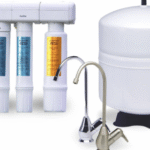
When you first search for water softening solutions, the industry feels split between two extremes: intimidatingly technical, or suspiciously simple. One plumber insisted I needed a whole-house reverse osmosis system (spoiler: I didn’t), while a chain-store associate tried to sell me a glorified filter pitcher.
I knew I didn’t want overkill. I just wanted my water to stop ruining stuff. And I wanted to work with a local company who actually understood what Newport Beach water is like — how it behaves, how it affects your plumbing, and what works long-term.
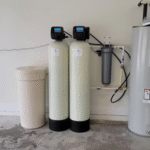
After a few consultations, I found a company that installed a mid-sized softener that made a real difference — one suited for our usage, our water supply, and most importantly, our budget.
Soft Water, Softer Life
The first thing I noticed post-installation? My hands didn’t feel like sandpaper after washing dishes. My hair was silkier, even when I skipped conditioner. And those cloudy glasses? Gone. It felt like we’d hit reset.
But the best part? The softener didn’t just improve comfort — it started protecting our appliances. The technician explained how scale build-up can shorten the life of everything from your dishwasher to your water heater. The cost of ignoring it adds up fast.
In hindsight, I wish we’d made the switch earlier. If you’re on the fence — don’t be. Seriously. The difference is night and day.
But Wait… What About “Conditioning”?
Around the time we were upgrading the softener, a friend mentioned something called water conditioning Newport Beach CA and I had no idea what they meant. Turns out, conditioning is like the softener’s cousin — similar goals, different methods.
While softeners use salt or potassium to remove hard minerals, conditioners often rely on technology to neutralize or alter those minerals so they don’t cause scaling. It’s less about removal, more about re-engineering. Sounds fancy, right?
We tested out a conditioner in our guest suite — low-maintenance, no salt to refill, just set it and forget it. Honestly, it worked well for a smaller space. It didn’t give quite the same silky-feeling water that our main softener did, but it absolutely helped reduce buildup. And the convenience? Huge.
Conditioners aren’t for everyone or every water type, but for people with mild hardness or limited plumbing options, they’re a smart, eco-friendlier option.
When We Considered an “Eco” System
Eventually, we started exploring upgrades. Not because what we had wasn’t working — but because we were curious. A neighbor had recently installed something called an ecosystem water softener, and she couldn’t stop raving about it. Naturally, I had questions.
These systems aim to combine high-efficiency softening with sustainable features: minimal salt usage, low electricity, compact design, smart monitoring — all that jazz. It sounded like the Tesla of water softeners.
After some research, we learned that while eco systems come at a higher price point upfront, they’re a long-term investment. Less waste, less fuss, and less strain on the environment. If you’re planning to stay in your home long-term (we are), it’s worth considering. Especially in California, where sustainability matters.
What I’ve Learned From It All
Water is one of those things you take for granted until it starts messing with your day-to-day life. And then suddenly, it’s all you can think about.
If you’re in or around Newport Beach and still dealing with hard water, or mystery mineral stains, or just want to protect your home, here’s my two cents:
- Get your water tested first. Don’t guess. Local professionals usually offer this free.
- Don’t assume softening is overkill. Even mild hardness can mess with your appliances and comfort.
- Consider your lifestyle. Salt-free conditioners or eco-systems might suit you better than traditional setups.
- Work with someone local. They know the water, the pipes, the quirks of your neighborhood.
Most importantly — don’t wait until your water heater clogs or your dishes get ruined to make the call.
Wrapping It Up
I never expected to care so much about water quality. It always seemed like background noise — until it started shouting.
Now? I drink from the tap without flinching. I actually look forward to showers. My towels feel like towels, not sandpaper. And my dishwasher? It finally earns its name.